
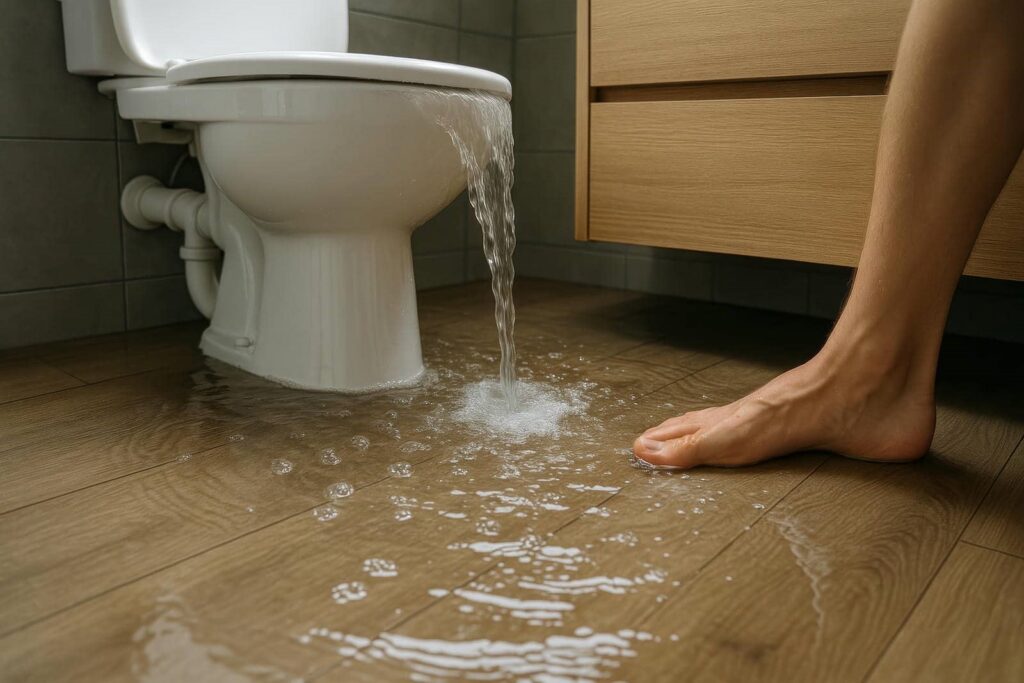
If you face a sewage backup, you need to act fast because the damage goes beyond a bad smell. You’re dealing with contaminated water, hidden moisture, and health risks that can spread quickly through your property. The right cleanup steps can protect your home, your tenants, and your budget, but knowing what to do first isn’t always obvious. Here’s what matters most when black water enters your space.
Key Takeaways
- Sewage cleanup should start with removing contaminated water, damaged materials, and thoroughly disinfecting affected areas.
- Fast action matters because sewage can cause health risks, structural damage, and mold growth within 24 to 48 hours.
- Exposure to sewage can cause infections, skin irritation, and respiratory issues, so protective gear is essential during cleanup.
- After a backup, stop using plumbing, keep people and pets away, document damage, and call professionals for safe restoration.
- Prevent backups with regular plumbing maintenance, proper waste disposal, drain inspections, and attention to slow drains or gurgling sounds.
What Sewage Cleanup Includes
Sewage cleanup includes removing contaminated water, disposing of damaged materials, disinfecting affected areas, and drying the property to prevent further damage.
You’ll also see technicians inspect floors, walls, and hidden spaces so they can identify what needs attention. During sewage cleanup, you should expect clear communication about the work, the equipment used, and the steps that restore a safe environment.
If you own the property, you belong in the process, and you can ask questions at any stage. Professionals may also remove debris, clean salvageable surfaces, and monitor moisture levels to support a complete result.
This approach helps you understand what’s happening and why each step matters for your building.
Why Sewage Cleanup Is Urgent
You need to treat sewage cleanup as urgent because health risks can escalate fast once contaminated water spreads through your property.
The longer you wait, the more structural damage can worsen in floors, walls, and other materials.
Mold can also begin growing quickly, which makes cleanup more complex and costly.
Health Risks Escalate Fast
When sewage enters a property, health risks can escalate quickly because black water may contain harmful bacteria, viruses, and other contaminants that spread through floors, walls, and air.
You and your household can’t safely treat it like ordinary water damage. Even brief exposure may trigger stomach illness, skin irritation, breathing problems, or infection, especially for children, older adults, and anyone with a weakened immune system.
If you’re caring for a shared space, act fast so everyone feels protected and supported. Keep people and pets away, avoid touching affected items, and wear protective gear if you must enter.
Don’t use fans that can move contaminated air around. Call a sewage cleanup professional right away so you can reduce exposure and help your property get back to a healthy, livable condition.
Structural Damage Spreads Quickly
Even a small backup can start damaging your property fast, because sewage seeps into drywall, flooring, insulation, baseboards, and subfloors and keeps spreading until the source is stopped and the area is dried.
You need to act quickly, since wet materials lose strength and can warp, swell, or break apart.
- Drywall softens and crumbles
- Floors stain, buckle, or lift
- Wood framing absorbs contamination
- Hidden cavities trap moisture and waste
When you respond right away, you protect the structure and keep repairs smaller.
If you wait, damage can move beyond the visible area and affect more of your home or building.
You’re not alone here—many property owners face this same emergency, and fast cleanup helps you regain control, reduce disruption, and restore a safer space for everyone involved.
Mold Growth Begins Rapidly
Moisture left behind by sewage creates the perfect conditions for mold, and growth can start in as little as 24 to 48 hours.
When you delay cleanup, you give spores time to spread through drywall, insulation, and flooring. That means the problem can move beyond the visible stain and into the air you breathe.
You don’t have to handle that alone; a fast, professional response helps protect your property and the people in it.
By removing contaminated materials, drying affected areas, and disinfecting thoroughly, you reduce the chance of hidden growth and repeated damage.
Acting quickly also helps you stay ahead of costly repairs and health concerns.
If you want your space back, prompt sewage cleanup is the step that keeps your property and community safer.
What to Do After a Sewage Backup
After a sewage backup, act fast to limit damage and protect your health. First, stop using plumbing fixtures and shut off water if needed. Then keep people and pets away from affected areas.
Next, document visible damage with photos for your records and insurance claim.
- Contact a qualified sewage cleanup team right away
- Remove dry items from nearby areas if it’s safe
- Open windows only if conditions allow better ventilation
- Bag contaminated debris and set it aside for removal
You don’t have to handle this alone; quick action and the right help can steady the situation.
A trusted cleanup crew can assess the extent, contain the mess, and start restoration so you can get back to normal with confidence.
Health Risks of Sewage Exposure
When you’re exposed to sewage, you face serious bacterial contamination that can quickly affect your health.
You’re also at risk for viral infections and harmful toxins that can spread through contaminated water, surfaces, and air.
That’s why you should treat every sewage incident as a health hazard and act fast.
Bacterial Contamination Risks
Bacterial contamination from sewage can spread quickly and put your health at risk, especially if you’ve had a sewer backup, toilet overflow, or black water intrusion.
You’re dealing with pathogens that cling to surfaces, seep into porous materials, and multiply in damp areas. Act fast to protect your home and everyone in it.
- Wear gloves and boots when entering affected areas.
- Keep children and pets out until cleanup is complete.
- Disinfect hard surfaces with approved cleaners.
- Remove soaked items that can’t be fully sanitized.
If you notice odors, discoloration, or persistent moisture, call a professional right away.
You don’t have to handle this alone; prompt cleanup helps your household stay safe, informed, and confident.
Viral Infection Hazards
Viruses can also be present in sewage, and even a small exposure can put your health at risk. If you touch contaminated water, inhale droplets, or let sewage reach your mouth, you can pick up illnesses that spread quickly through a home or workplace.
You may notice stomach cramps, vomiting, diarrhea, fever, or fatigue after exposure. Because viruses can survive on surfaces, you should treat soaked items, floors, and fixtures as contaminated until they’re cleaned and disinfected.
Wear protective gear, keep children and pets away, and wash your hands well after any contact. If the backup is large or you can’t safely clean it yourself, call a sewage cleanup team so your property gets handled the right way and your household stays protected.
Toxic Exposure Dangers
Sewage doesn’t just carry germs; it can also expose you to toxic substances that irritate or harm your body. When you’re near black water, you may breathe in gases, touch chemicals, or absorb contaminants through cuts. That exposure can trigger headaches, nausea, skin rashes, and breathing trouble.
If you handle cleanup without protection, you increase your risk.
- Wear gloves, boots, and a fitted mask.
- Open windows and improve airflow.
- Keep children and pets away.
- Call trained cleanup help fast.
You deserve a safe recovery, and that starts with treating sewage like a toxic hazard, not just a mess.
If you notice strong odors, dizziness, or burning eyes, leave the area right away and get medical advice.
The Professional Black Water Cleanup Process
When black water enters your property, trained technicians move quickly to contain the damage, remove contaminated materials, and disinfect the affected areas.
You’ll usually see them inspect the site, identify unsafe zones, and set up protective barriers so your space stays controlled.
Next, they extract standing waste, clean salvageable surfaces, and apply EPA-approved disinfectants to reduce contamination.
They also dry the area with professional equipment and monitor moisture so hidden problems don’t linger.
Throughout the process, you’re kept informed, so you know what’s happening and what steps come next.
This approach helps you protect your property, support your household, and restore a safe environment with confidence.
When you work with a qualified team, you’re not handling this alone—you’ve got experienced partners on your side.
How Sewage Damages Floors, Walls, and Air Quality
Sewage can quickly soak into floors and walls, weakening wood, warping laminate, and staining drywall beyond simple cleaning.
It also leaves behind contaminants that can spread through the air as moisture and waste break down.
You need prompt cleanup to limit structural damage and reduce airborne health risks.
Floor Material Damage
Once contaminated water seeps into flooring, it can quickly weaken wood, warp laminate, stain carpet, and damage baseboards and drywall. You need to act fast because soaked materials don’t recover on their own, and the longer moisture sits, the more repairs you’ll face.
Floor damage often starts where seams, edges, and underlayment trap liquid.
- Hardwood may swell, cup, or separate at the joints.
- Laminate can bubble, lift, and lose its finish.
- Carpet padding absorbs waste and usually needs replacement.
- Tile may seem intact, but subfloors can still soften.
When you inspect damage early, you protect your property and stay connected to a trusted cleanup plan.
Professional drying and removal help you move forward with confidence.
Airborne Contamination Risks
Even after visible wastewater is removed, contaminated moisture can keep spreading bacteria, spores, and foul odors through your home’s air. You may notice musty smells, irritation, or worsening allergies as particles circulate through vents, carpet, drywall, and insulation.
When sewage soaks porous materials, it can wick upward into walls and baseboards, creating hidden colonies that keep releasing contaminants. You’ll protect your household faster by isolating the area, improving airflow, and avoiding dry sweeping or vacuuming that stirs debris.
Wear protective gear, keep kids and pets away, and call a professional if the backup touched multiple rooms. A qualified team can remove damaged materials, disinfect surfaces, and restore cleaner indoor air so your home feels safe again.
When to Call a Sewage Cleanup Pro
When should you call in a sewage cleanup pro? You should reach out as soon as sewage backs up, toilet water overflows, or black water enters your home or business. Acting fast helps you protect your space and keep your team or family on the same page.
You notice persistent sewage odors.
Water has soaked drywall, floors, or insulation.
The backup reaches multiple rooms or drains.
Someone in the space is at risk from exposure.
If you’re unsure whether the damage is minor or severe, don’t guess. A pro can assess the scene, contain the mess, and guide your next steps.
That support helps you move forward with confidence and get your property back to a safe, workable condition.
Sewage Cleanup Costs and Coverage
Sewage cleanup costs can vary widely based on the size of the backup, the materials affected, and how quickly you respond.
You’ll usually pay for inspection, extraction, disinfection, drying, and disposal of contaminated items. If the damage reaches flooring, drywall, or insulation, costs rise fast because removal and replacement take more labor and materials.
Your insurance may help, but coverage often depends on the cause, your policy limits, and whether you’ve kept up with maintenance. You should review your policy and call your insurer promptly after the loss.
Ask for a detailed estimate so you can compare services and avoid surprise charges. When you understand the numbers, you can make informed choices and protect your property with confidence.
How to Prevent Sewage Backups
Preventing sewage backups starts with regular maintenance and smart habits around what goes down your drains. You can lower risk by staying alert and treating your plumbing like part of your home community:
- Dispose of wipes, grease, and hygiene products in the trash.
- Keep tree roots away from underground sewer lines.
- Schedule routine inspections for older pipes and drains.
- Test sump pumps and backflow devices before heavy rain.
You should also watch for slow drains, gurgling sounds, and repeated toilet clogs, because they often warn you early.
If you catch issues quickly, you protect your space, your neighbors’ comfort, and your peace of mind. A little attention now helps you avoid a messy, stressful backup later.
How to Choose a Sewage Cleanup Company
Choosing the right sewage cleanup company can make the difference between a fast recovery and a bigger mess. You should look for a team that responds 24/7, arrives quickly, and handles sewage, disinfection, and structural drying.
Ask whether they’re licensed, insured, and trained for black water damage. A reliable company will explain the process, use protective gear, and document the work for your records and insurance claim.
Check reviews, but also ask about experience with homes or properties like yours. You want clear pricing, honest communication, and a crew that treats your space with respect.
When you choose a trusted local provider, you’re not just fixing damage—you’re protecting your property and joining a community of owners who take safety seriously.
Frequently Asked Questions
Can Sewage Cleanup Restore Sentimental Items?
Yes, sometimes you can restore sentimental items, but it depends on the material and contamination level. You should ask a professional quickly, because prompt cleaning may save photos, keepsakes, and other treasured belongings.
How Long Does Sewage Odor Usually Linger?
Usually, sewage odor lingers from a faint shadow to several days; if moisture remains, it can cling longer. You’ll clear it fastest by drying, disinfecting, and ventilating quickly, or calling professionals for stubborn smells.
Is Sewage Cleanup Needed for Minor Toilet Overflows?
Yes, you may need sewage cleanup even for minor toilet overflows if wastewater touched floors, grout, or porous materials. You should disinfect quickly, dry thoroughly, and call a pro if contamination spreads or odor lingers.
Can I Stay Home During Sewage Remediation?
You usually shouldn’t stay home during sewage remediation because you could breathe harmful contaminants and track them through your space. You’ll be safer elsewhere until pros finish cleanup, drying, and disinfection, then give clearance.
How Soon Should a Backup Be Inspected for Hidden Damage?
You should have it inspected within 24 hours; hidden damage can spread quickly beneath the surface. You’ll protect your space, avoid costly surprises, and restore a sense of normalcy by acting promptly with qualified professionals.
Summary
When sewage disrupts your property, quick action helps you protect what matters most. If you address the issue early, you can limit damage, reduce health risks, and restore your space sooner. Trust a qualified cleanup team to handle the mess with care, discretion, and expertise. By staying prepared and maintaining your plumbing, you can lower the chances of another unwelcome incident and keep your property safer for the future.