
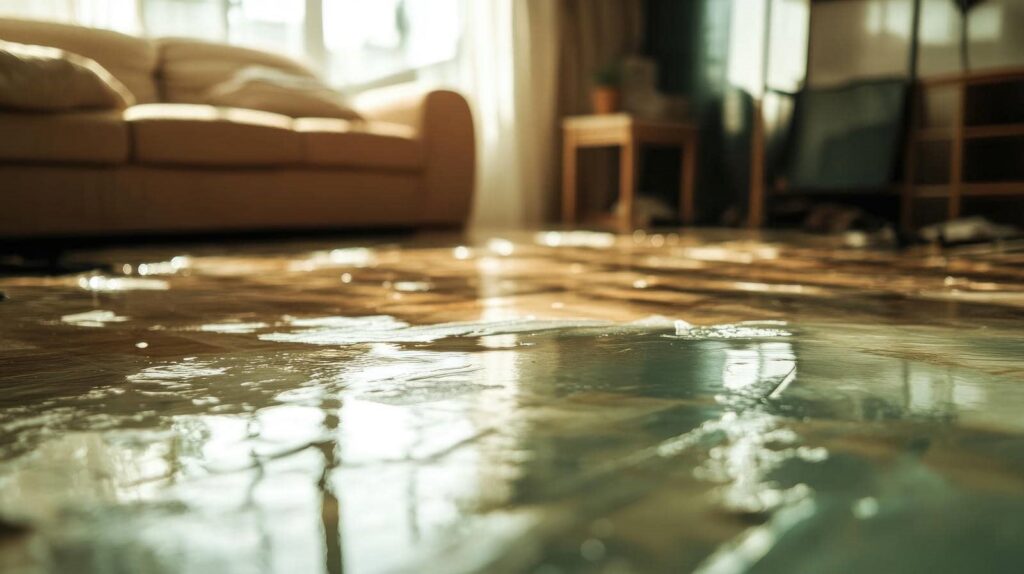
When water damage hits, you need to act fast and in the right order. First, stop the leak if you can, then shut off power to the affected area to reduce risk. Move valuables out of the way, document the damage, and start removing standing water before it spreads. What you do in those first few minutes can change everything, and the next steps matter even more.
Key Takeaways
- Stop the water source immediately by closing valves, shutting off fixtures, or calling a plumber if needed.
- Turn off power to affected areas if it is safe, and avoid standing water near outlets or wiring.
- Move valuables, furniture, and important documents to a dry area to prevent further damage.
- Document the damage with clear photos and notes before beginning cleanup or disposal.
- Remove standing water, dry the area with fans and dehumidifiers, and call a professional if mold or soft drywall appears.
Stop the Leak at the Source
Before you do anything else, stop the water at its source if you can do so safely. Turn off the fixture, close the supply valve, or stop the flow from the damaged line.
If the leak comes from a burst pipe, appliance, or overflowing fixture, act fast and stay calm. You don’t need to solve everything right away; you just need to limit the spread. Gather towels or a bucket to catch runoff, and move items away from the water if you can do it quickly.
This first step in emergency water damage cleanup protects your home and gives you control. If you can’t stop the leak, contact a plumber or emergency service right away. Quick action helps your space recover faster and keeps your next steps clear.
Shut Off Power Safely
Once the leak is under control, shut off power to any wet areas if you can do so safely.
If you can reach the main breaker without stepping through standing water, turn off the circuits serving the affected space.
Use a flashlight, not candles, so you don’t add fire risk.
If water is near outlets, appliances, or exposed wiring, keep out and call your utility company or a licensed electrician.
You belong in a safer response, and that starts with caution.
Don’t touch switches, plugs, or electronics with wet hands.
If the breaker box is dry and accessible, label the area so others stay away.
When in doubt, leave the power on only until a professional tells you what’s safe.
Move Furniture and Valuables
Move your valuables to a dry, secure area first to protect them from further damage.
Then lift furniture onto blocks, foil, or other supports to keep it out of standing water.
Act quickly, but avoid dragging heavy items that could spread water or damage floors.
Safeguard Valuables First
If it’s safe to do so, protect your belongings right away by moving furniture, electronics, rugs, and other valuables out of the wet area.
Focus on items that matter most to your home and daily routine, so you can preserve comfort and reduce loss. Place them in a dry room, garage, or another secure spot away from ongoing moisture.
If you can’t move something, separate it from walls and standing water to limit further exposure. Keep important documents, medications, and sentimental items together so you can find them quickly.
Work calmly and efficiently, and ask someone you trust to help if needed. Acting fast helps you stay in control, protect what belongs to you, and make cleanup easier for everyone involved.
Lift Furniture Quickly
After you’ve protected the most important items, lift furniture quickly to keep it out of standing water and away from damp floors.
Work with another person when you can, and move one piece at a time to avoid injury. Start with sofas, chairs, tables, and beds, then place them on blocks, foil, or plastic sheeting to limit further absorption.
If a piece is too heavy to move safely, raise the legs with wood shims or towels until help arrives. Keep valuables, cords, and rugs clear of the area so moisture doesn’t spread.
You’re protecting more than furniture here—you’re helping your whole space recover faster. Act fast, stay organized, and call a water damage cleanup professional if water has soaked in or the structure feels unstable.
Document the Water Damage
Take clear photos of the damaged areas before you start cleanup so you have a solid record.
List every affected item, including furniture, flooring, and personal belongings, to support repairs or insurance claims.
Note the likely water source as soon as you can, since that detail helps guide the next steps.
Photograph Damaged Areas
Before cleanup begins, photograph every affected area so you’ve got a clear record of the damage. Take wide shots first, then move in close to show stains, warped materials, and standing water. Use your phone’s date stamp if it’s available, and keep the images clear and steady. This simple step helps you stay organized and gives others a reliable view of what you’re dealing with.
- Capture each room from multiple angles so nothing gets missed.
- Include walls, floors, ceilings, and baseboards in the frame.
- Save the photos in one folder so you can share them fast.
You’re not just taking pictures—you’re building a trustworthy record that helps your team move forward with confidence.
Record Affected Items
Once you’ve photographed the damage, make a written list of every affected item. Include furniture, rugs, clothing, electronics, documents, and stored supplies, and note where each item was when the water hit.
Add brief details about visible stains, swelling, warping, or odors. If possible, estimate age, brand, model, and purchase price, because those details help when you speak with your insurer or restoration team.
Keep your notes organized in one place, and update them as you inspect each room. You’re building a clear record that shows the full impact and helps your household stay coordinated.
A simple spreadsheet, notebook, or phone app works well. Stay consistent, use plain language, and write down anything you’ll need to replace, dry, clean, or repair later.
Note Water Source
Figure out where the water came from and write it down right away. Note whether it’s a burst pipe, roof leak, appliance overflow, sewage backup, or floodwater, because each source changes your next steps and the risk level.
Take clear photos of the source, the spread, and any visible stains, then add the date and time. If you can safely do so, shut off the source and keep your notes together with your damage list so everyone helping you stays aligned.
- Clean water usually allows faster drying.
- Gray or black water needs stronger precautions.
- Accurate notes help your insurance claim move faster.
When you document the source, you protect your home, support your team, and make the cleanup feel manageable.
Remove Standing Water
Start by removing standing water as quickly as you can to slow further damage and reduce the risk of mold.
If it’s safe, use a wet vacuum, mop, bucket, or pump to clear the area. Work from the lowest point outward so you don’t spread water into unaffected spaces.
Wear rubber boots and gloves, and keep clear of outlets, cords, and appliances until the area is safe.
Empty soaked containers, rugs, and portable items so you can reach hidden puddles faster.
If the water is deep, contaminated, or keeps returning, call a water damage professional right away.
You’re not alone in this; acting fast helps protect your home and gives you a better starting point for the cleanup ahead.
Dry Walls, Floors, and Air
After you remove the standing water, dry the walls, floors, and air as quickly as possible to help prevent mold, warping, and lingering odors. Open windows if weather allows, and run fans so air moves across every damp surface.
Use dehumidifiers to pull moisture from the room, especially in closed spaces. Lift rugs, move furniture, and separate items so air can reach hidden areas. Wipe hard surfaces with clean towels, then keep equipment running until everything feels dry.
- Direct airflow along baseboards and corners.
- Replace soaked textiles before they trap moisture.
- Keep the room comfortable and ventilated.
You’re not just drying a space; you’re helping your home feel safe, clean, and ready for the next step.
Check for Mold and Hidden Damage
Once the area is dry, inspect it closely for mold and hidden damage so you can catch problems early.
Look along baseboards, behind furniture, under flooring edges, and inside cabinets for discoloration, musty odors, warped materials, or soft spots. If you see dark patches, fuzzy growth, bubbling paint, or peeling wallpaper, treat them as warning signs.
Check drywall for swelling and press lightly on surfaces to find weak areas. Open closets and other enclosed spaces so air can move and moisture can’t linger.
Use a flashlight to spot stains and hidden dampness in seams and corners. Stay alert, because small problems can spread fast when water has gotten in.
Careful inspection helps you protect your home and keep your space safe and comfortable.
Call a Water Damage Cleanup Pro
If you’ve found mold, soft drywall, lingering odors, or signs of hidden moisture, it’s time to call a water damage cleanup pro. You don’t need to handle every step alone, and you’ll protect your home faster when you bring in trained help.
A pro can inspect deeper than you can, dry structural materials, and reduce the chance of long-term damage. They also know how to document loss for your insurer and guide you through the next steps.
- You get faster drying with commercial equipment.
- You limit mold growth and structural repair costs.
- You gain support from a team that knows what to do.
Act quickly, ask questions, and stay involved. You’re not facing this alone; you’re taking the right next step with confidence.
Frequently Asked Questions
How Long Does Insurance Usually Take to Approve a Water Damage Claim?
Usually, you’ll hear back in 1–2 weeks, but simple claims can approve faster and complex ones take longer. You can speed things up by reporting quickly, submitting photos, and staying in close contact.
Can Tap Water Damage Be Safely Cleaned Without Professional Help?
Yes, you can often clean minor tap water damage yourself if you act fast, dry thoroughly, and disinfect surfaces. You’ll need professionals for soaked walls, ceilings, mold, or electrical risks to protect your home.
What Temporary Repairs Can Prevent Further Water Intrusion?
You can patch roof leaks, tarp damaged areas, seal cracks with waterproof tape, shut off broken lines, and place buckets under drips. You’ll protect your home’s heartbeat and keep your space feeling safe.
How Do I Know if Water Has Entered the HVAC System?
You’ll know water entered your HVAC system if you smell mustiness, hear gurgling, see condensation, or notice weak airflow. Check vents, filters, and drip pans, and shut it down until you’ve inspected it safely.
Which Personal Items Are Most Difficult to Restore After Flooding?
Photos, heirloom papers, and porous soft goods are hardest to restore after flooding—they’re often gone in a heartbeat. You should prioritize wet documents, mattresses, stuffed items, and electronics, because mold and hidden damage spread fast.
Summary
When water damage hits, act fast to stop the leak, shut off power, and protect your belongings. Then document the damage, remove standing water, and start drying everything as quickly as you can. Keep an eye out for mold and hidden damage, since problems often grow after the visible water is gone. If the cleanup feels bigger than you can handle, call a pro. Quick action is your first line of defense.