
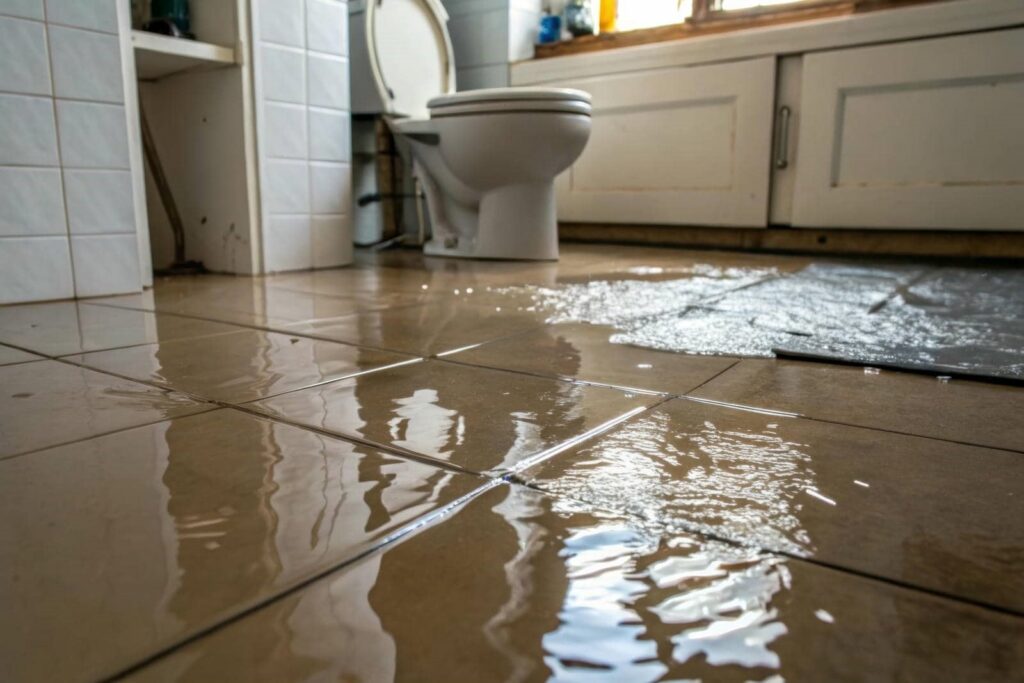
If sewage backs up in your home, you need to stop using every connected sink, toilet, and drain right away. Then you should isolate the area, shut down airflow, and treat the mess as a contamination event. Protect yourself before you touch anything, because the next steps depend on what’s been spread and where it’s reached. A fast response can limit damage, but the cleanup gets more complicated than most people expect. Read more to find out what to do after sewage backup.
Key Takeaways
- Stop using all plumbing fixtures immediately and keep everyone away from the contaminated area.
- Call a licensed sewage cleanup professional and document the damage with photos.
- Block off the area, shut off fans and HVAC nearby, and wear protective gear if entering.
- Remove sewage safely, then disinfect hard surfaces and discard saturated porous materials.
- Dry the area completely and prevent future backups with inspections, proper disposal habits, and a backwater valve.
Stop a Sewage Backup Fast
Shut it down fast: stop using sinks, toilets, tubs, and appliances connected to the line, and keep everyone away from the affected area.
You need to treat this as what to do after sewage backup: reduce flow, limit spread, and call a licensed cleanup team right away.
If you can safely reach the main shutoff for water or the sewer cleanout, use it only if your local authority says it’s appropriate.
Don’t try to flush, snake, or plunge the drain yourself; you can push contamination farther into the home.
Wear gloves and boots only if you must pass through the space, then wash up immediately.
Document the problem with photos for the team and your insurer.
Isolate the Backup Area
Block off the affected space as soon as you can so sewage doesn’t spread to clean areas of the home. Close doors, post a clear warning, and keep children, pets, and guests out.
If possible, shut down air movement in that zone by turning off fans and HVAC registers nearby. Create a clean boundary with towels, plastic sheeting, or tape at the doorway, but don’t step through contaminated water.
Wear gloves and boots only if you must enter briefly for access to utilities or to confirm the area. Keep the rest of your household together in a safe part of the home and use only unaffected bathrooms and fixtures.
The goal is simple: contain the problem, protect your space, and give cleanup professionals a controlled area to work in.
Remove Sewage Safely
Once you’ve isolated the area, don’t try to handle sewage with regular household tools or clean it up dry. Wear waterproof gloves, boots, eye protection, and a mask before you enter.
If you can reach a shutoff valve, stop the water source. Then remove solid waste with disposable scoops, heavy-duty bags, and absorbent materials rated for biohazards.
Keep a clear path so you don’t track contamination through your home. Bag debris tightly, seal it, and place it where cleanup crews can collect it.
If sewage has soaked into drywall, insulation, or carpet padding, don’t pull it apart yourself. The safest move is to contain it, avoid spreading it, and let trained professionals finish the removal.
You’re protecting your household and helping your crew work efficiently.
Disinfect and Dry Your Home
After the sewage is removed, disinfect all hard, nonporous surfaces with an EPA-registered cleaner or a bleach solution that’s safe for the material, and let it sit for the full contact time on the label.
Rinse if the product directions require it, then wipe surfaces with clean disposable cloths. You’ll want to replace any porous items that stayed saturated, since they can trap contamination.
Open windows if weather allows, run fans, and use dehumidifiers to pull moisture from rooms and hidden spaces. Check baseboards, subfloors, and wall cavities for dampness, and keep drying until everything feels fully dry.
Wear gloves and boots while you work, and wash your hands often. If you stay methodical, you help your home return to a safer, healthier condition sooner.
Prevent Future Sewage Backups
With the cleanup finished, focus on the causes so the problem doesn’t come back. You can protect your home and keep your household safe by maintaining the drainage system and watching warning signs.
Schedule a sewer line inspection, especially if backups recur after rain. Never flush wipes, grease, or hygiene products, because they cling to pipes and create blockages. Trim tree roots near buried lines, since they can invade joints and crack piping. Install a backwater valve if your system is prone to surges.
- Inspect cleanouts yearly.
- Test sump and ejector pumps.
- Call for drain cleaning before slowdowns worsen.
- Keep a log of odors, gurgling, and wet spots.
You’re not alone in this; smart maintenance helps your home stay ready.
Frequently Asked Questions
How Do I Know if Sewage Has Contaminated Hidden Wall Spaces?
You’ll know hidden wall spaces are contaminated if you smell sewage, see stains, bubbling paint, warped drywall, or moisture near baseboards. Use a moisture meter, remove outlets carefully, and call remediation pros immediately.
Should I Throw Away Food Stored Near a Sewage Backup?
Yes, you should discard any food exposed to sewage or splash risk; you can’t safely clean it. Keep sealed, unopened items only if they stayed dry. Bag contaminated food, and call cleanup pros immediately.
Can I File an Insurance Claim for Sewage Damage?
Yes, you can file a claim if your policy covers sewage damage. You should document everything, contact your insurer immediately, and keep cleanup receipts. You’ll strengthen your case by acting fast and preserving evidence.
When Is It Safe to Turn Electrical Power Back On?
You can turn power back on only after a licensed electrician confirms all outlets, wiring, and appliances stayed dry, and cleanup crews finish drying. If sewage reached electrical components, don’t energize anything until it’s fully inspected.
How Do I Tell if the Backup Came From a Sewer or Drain Issue?
Check the source, right? Sewer backups usually affect multiple drains, toilets, and floor drains; a single drain issue stays localized. You’ll often notice odors, slow fixtures, and wastewater when you run nearby plumbing.
Recap
If sewage backs up in your home, act fast before the damage spreads. Stop using all connected fixtures, seal off the area, and keep air movement low. Remove only solid waste you can safely handle, then let professionals manage contaminated materials. Disinfect hard surfaces and dry everything completely. But don’t relax yet—hidden moisture and residue can linger. Schedule inspections, avoid flushing risky items, and install a backwater valve so the next backup doesn’t catch you off guard.