
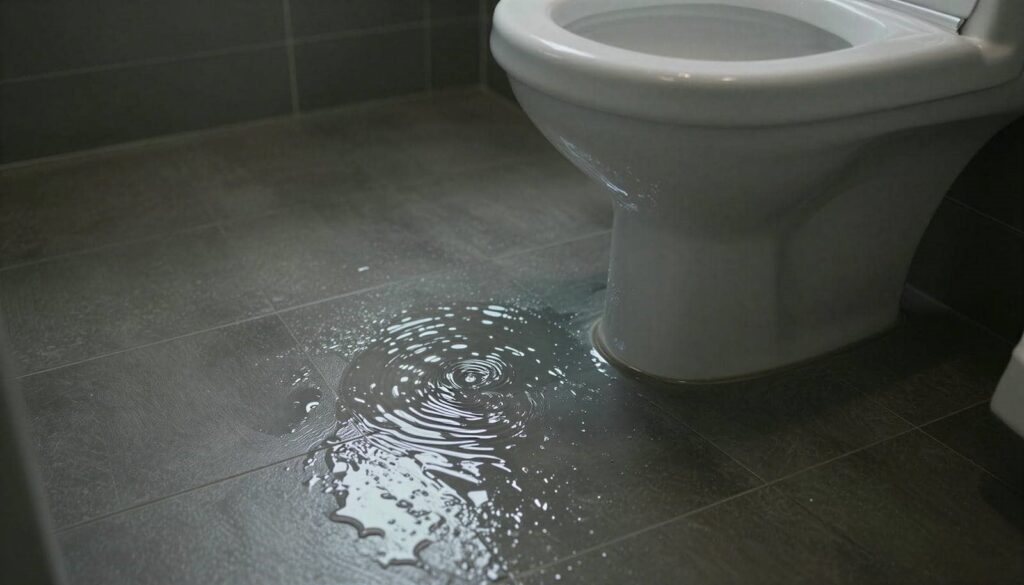
A sewer backup can turn your property into a hazardous mess in minutes. You should shut off the main water supply, cut power to affected areas, and keep everyone out. Then you’ll need to document damage, assess contamination, and decide whether to call a cleanup company. The next steps matter more than you might expect, because hidden moisture and line damage can escalate fast.
Key Takeaways
- Put on gloves, boots, and a mask, document damage with photos, and keep people and pets away.
- Shut off water and electricity if safe, and block access to contaminated areas immediately.
- Contact your insurer and a licensed restoration contractor as soon as possible for assessment and remediation.
- Remove standing water and contaminated materials, then clean and seal affected items for disposal.
- Dry the area thoroughly, inspect sewer lines, and fix problems to prevent another backup.
First Steps After a Sewer Backup
When a sewer backup occurs, you should act quickly to reduce contamination and health risks. First, document the affected areas with photos for your sewer backup cleanup record.
Then, shut off electricity to any wet room only if you can reach the breaker safely. Wear gloves, boots, and a mask before you enter the area. Remove pets and unneeded items from nearby spaces.
Open windows if weather and security allow, but don’t stir up debris. Contact your insurer and a licensed restoration contractor so your team can start remediation with the right equipment.
Avoid using plumbing fixtures until a professional inspects the system. Keep family members informed, and assign one person to track notices, receipts, and progress. This keeps everyone aligned and helps your household recover faster.
Stop the Water and Keep People Away
If the backup is still active, shut off the main water supply to stop additional wastewater from entering the building, but don’t attempt any valve or fixture that’s already submerged or unsafe to reach.
Next, restrict access to the affected area right away. Close doors, set temporary barriers, and post clear warnings so family, tenants, guests, and workers don’t enter contaminated spaces.
If you manage a shared property, notify everyone who uses the area and keep them out until it’s safe.
Avoid turning on fans, HVAC returns, or any equipment that could spread contamination. Keep pets away too. Your crew stays safer when everyone follows the same boundary rules.
If you can do it without exposure, isolate the area’s power at the breaker panel only after confirming it’s dry.
Document the Damage for Insurance
Before cleanup starts, document the damage for your insurance claim. Take wide shots of each affected room, then capture close-ups of soaked flooring, baseboards, walls, and fixtures.
Record visible sewage lines, debris, and any stained contents before you move them. Keep your phone’s time stamp on and note the date, location, and incident details in a log. If you’re part of a property community, share clear records so everyone stays coordinated and protected.
- Photograph every affected area
- Video the damage path and odors
- List damaged belongings and serial numbers
- Save receipts for emergency supplies
Store copies in cloud and local folders. Don’t discard items until your adjuster reviews them.
Accurate documentation supports a faster, cleaner claim process and helps you stay organized together.
When to Call a Sewer Backup Cleanup Company
You should call a sewer backup cleanup company when you see signs of serious contamination, such as widespread sewage exposure, strong odors, or water that has soaked porous materials.
If you’ve already tried DIY cleanup and the contamination remains, stop work and escalate to a trained remediation team.
They’ll isolate the area, remove hazardous waste, and disinfect the affected surfaces safely.
Signs of Serious Contamination
Serious contamination shows up when sewer water has spread beyond a small, contained area or has soaked into porous materials, creating persistent odors, visible residue, and sanitation hazards.
You should treat these signs as a call for professional sewer backup cleanup. Watch for:
- dark staining on drywall or baseboards
- wet carpet padding or swollen flooring
- strong sewage odor that lingers after ventilation
- sludge in vents, seams, or hidden cavities
If you see any of these, restrict access, document the area, and avoid contact with affected surfaces.
You’re not overreacting; you’re protecting your space and your crew. When contamination reaches walls, flooring, or built-in materials, the cleanup scope grows fast.
A qualified team can assess the affected zone and restore safe conditions efficiently.
After DIY Cleanup Fails
If DIY cleanup doesn’t stop the odor, remove visible contamination, or restore safe conditions, call a sewer backup cleanup company immediately.
You’ve already done the first response, so escalate when sewage remains in porous materials, wall cavities, or HVAC pathways. A trained crew will inspect moisture, test affected surfaces, and set up containment before extraction, cleaning, and disinfection.
They’ll also remove unsalvageable materials and verify drying to reduce microbial growth. Don’t keep reopening the area or using fans that spread aerosols.
Document the damage, limit access, and keep everyone out of contaminated rooms until clearance. By acting quickly, you protect your property, your routine, and the people who count on that space.
Remove Contaminated Water and Debris
You should pump out all standing water with a submersible pump or wet vacuum as soon as it’s safe to do so.
After the water is removed, you should take out any soaked debris, including carpet, drywall, insulation, and porous contents that can’t be fully sanitized.
Remove these materials in sealed bags or containers to reduce contamination spread and prepare the area for disinfection.
Pump Out Standing Water
Start pumping out standing water as soon as it’s safe to enter the affected area, using a submersible pump or wet/dry vacuum rated for contaminated water. You’ll protect the structure and keep your cleanup team moving with confidence.
Place the discharge hose outside, away from drains and walkways. Work from the deepest area first, then track remaining water toward the pump intake. Keep electrical cords dry and use GFCI protection. Monitor the level so the pump doesn’t run dry.
- Wear gloves, boots, and eye protection.
- Ventilate the space while you work.
- Check for hidden pockets of water.
- Disinfect tools after each use.
Remove only liquid at this stage, and keep the area controlled until the surface is ready for the next cleanup step.
Remove Soaked Debris
Once the standing water is out, remove soaked debris, saturated carpet, drywall, insulation, paper goods, and any porous materials that sewage has contaminated.
Wear gloves, boots, eye protection, and a fitted respirator before you enter the affected area. Work methodically from the cleanest zone toward the most contaminated area so you don’t track sewage farther.
Seal debris in heavy-duty bags or covered containers, and keep items separate from salvageable belongings. Cut out wet drywall at least 12 inches above the visible water line if needed.
Scrape up mud and sludge, then load debris for approved disposal. Clean tools and hands immediately after each task.
When you follow this process, you protect your property, your team, and everyone who relies on the space.
Disinfect Floors, Walls, and Fixtures
After removing all standing water and debris, disinfect floors, walls, and fixtures with a cleaner approved for sewage contamination. You’ll protect your space and your crew by following the product label exactly.
Mix the solution at the stated dilution, then apply it to all affected hard surfaces. Scrub seams, corners, and hardware so residue doesn’t stay behind.
- Wear gloves, eye protection, and boots.
- Keep people and pets out of the area.
- Use separate cloths or brushes for each surface.
- Rinse food-contact fixtures after the required contact time.
Work methodically from the cleanest area to the most contaminated. Reapply disinfectant if the surface dries before the full dwell time passes.
When you finish, dispose of used materials in sealed bags.
Dry the Area to Prevent Mold
With the surfaces disinfected, dry the area as quickly as possible to limit mold growth. Open windows if outdoor conditions are dry, and run exhaust fans to move moist air out of the room.
Place portable fans so they blow across damp surfaces, not directly at one spot. Use a dehumidifier to pull humidity below 60%, and empty the tank before it fills.
Remove wet rugs, paper, and porous items that hold water, then spread salvageable materials apart to increase airflow. Check hidden spaces such as baseboards, cabinet interiors, and behind appliances.
Keep drying equipment running continuously until surfaces feel dry and moisture readings stabilize. You’re protecting your property and your team when you verify that no damp areas remain before you restore furnishings and occupancy.
Inspect the Sewer Line for Hidden Damage
Inspect the sewer line for hidden damage before you restore full use of the system. You should treat the backup as a signal that the line may have cracks, offsets, or root intrusion.
Use a licensed technician to scope the pipe and document findings. If you’re working with a trusted restoration team, stay present during inspection so you can ask questions and understand the results.
- Check cleanouts for standing residue
- Request a camera inspection report
- Note slow drains or gurgling fixtures
- Verify joints, bends, and trap arms
You’ll protect your property by confirming the line is structurally sound before any fixtures return to normal service.
If the inspection reveals damage, schedule repair promptly and keep records for your claim file.
Prevent Future Sewer Backups
Once you’ve confirmed the sewer line is in good shape or repaired any defects, focus on measures that reduce the chance of another backup.
Schedule routine camera inspections and hydro-jetting if your plumber recommends them. Keep tree roots away from laterals by trimming nearby growth and installing root barriers where needed.
Don’t flush wipes, grease, or solids; post clear reminders for everyone in your building so your team stays aligned.
Test backwater valves twice a year, and service sump pumps before wet seasons. Confirm floor drains, cleanouts, and ejector systems stay unobstructed.
If you notice slow drains, gurgling, or odors, act immediately and document the issue.
These steps help you protect your property, support your neighbors, and keep your system reliable.
Frequently Asked Questions
How Long Does Sewer Backup Cleanup Usually Take?
Usually, you’ll need one to three days for sewer backup cleanup, depending on contamination, drying time, and repairs. You can expect quicker results if you act fast, isolate affected areas, and use professional remediation.
Can I Use My HVAC System After a Sewer Backup?
No, you shouldn’t run your HVAC until you’ve had it inspected and cleaned. You can spread contamination through ducts, so shut it down, replace filters, and document damage before restarting anything.
Will My Homeowners Insurance Cover Sewer Backup Cleanup?
Usually, your homeowners insurance won’t cover sewer backup cleanup unless you’ve added a sewer backup endorsement; for example, you’d be covered after a basement overflow only if your policy specifically includes that protection.
Are Personal Belongings Salvageable After Sewage Exposure?
Usually, some personal belongings are salvageable after sewage exposure, but you’ve got to act fast. You can discard porous items, clean hard surfaces, and have professionals assess valuables to reduce contamination risks and protect your household.
Do I Need Professional Testing for Lingering Bacteria?
Yes—you should, especially if odors, stains, or symptoms linger. Like a hidden fault line, bacteria can persist in porous materials. You’ll want a certified environmental test, then follow professional remediation and clearance steps.
Wrap-Up
When you face a sewer backup, act fast: shut off water and power, keep everyone out, and document damage for your claim. Call a cleanup company if contamination spreads, then remove wastewater, disinfect all affected surfaces, and dry the area completely. Inspect the sewer line for hidden failure and fix it before it grows into a bigger problem. With maintenance and quick response, you can stop the mess from becoming a flood of future losses.