
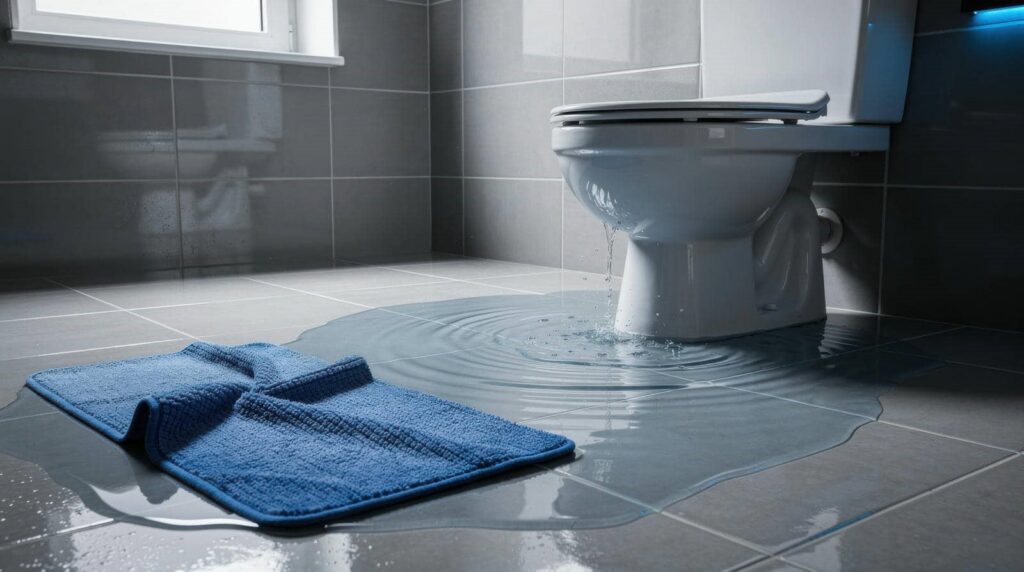
If your toilet overflows, you need to act fast because sewage can expose you to bacteria, viruses, and parasites that cause illness. You’ll want to protect yourself, remove standing water, and disinfect every affected surface before moisture spreads into walls or floors. The real risk isn’t just the mess—it’s what lingers after it looks clean, especially if you have children, pets, or a weakened immune system.
Key Takeaways
- Stop the source, keep people and pets away, and ventilate the area immediately after a toilet overflow.
- Wear gloves, boots, and a mask, then remove standing water and bag contaminated materials safely.
- Clean hard surfaces with soap and water first, then disinfect all sewage-contact areas thoroughly.
- Sewage exposure can cause nausea, diarrhea, rash, respiratory problems, and higher risk for children and immunocompromised people.
- Call professionals for large spills, soaked carpets, hidden wall damage, or lingering odors that suggest contamination.
What to Do Right After a Toilet Overflow
If your toilet overflows, act quickly to reduce exposure to contaminated water and limit damage. Keep people and pets away, and if you can do it safely, stop the water at the source. Here are more tips for dealing with toilet overflow sewage cleanup.
Then open nearby doors or windows to improve air circulation. Avoid touching the spill with bare skin, since toilet overflow sewage cleanup can involve bacteria and viruses that raise infection risk.
If water has reached baseboards, carpeting, or drywall, note that hidden contamination may spread beyond what you see. Wear gloves and sturdy shoes if you must enter the area, but don’t wade through standing water.
Document what’s affected, and call a professional if the overflow was large, repeated, or reached walls. You’re not overreacting by protecting your home and health.
How to Clean Up Toilet Overflow Sewage
Once the area is safe to enter, clean toilet overflow sewage as quickly and carefully as possible to limit contamination.
Put on gloves, boots, and a mask, then remove standing water with disposable towels, a wet vacuum, or a pump reserved for dirty water.
Bag and seal all waste, including towels, paper, and any porous items you can’t fully clean.
Wash hard surfaces with soap and water first, then disinfect with a product labeled for sewage cleanup, following the contact time on the label.
Rinse and dry the area well.
Launder reusable cloths separately in hot water.
If water soaked into carpet, drywall, or insulation, you’ll usually need professional help.
Work steadily, keep others away, and trust that careful cleanup protects your home and your community.
Health Risks From Sewage Exposure
Sewage exposure can make you sick because toilet overflow water may carry bacteria, viruses, parasites, and other contaminants that irritate your skin, eyes, nose, or throat.
You can also inhale germs when the water splashes or dries, which may raise your risk of stomach illness, fever, or respiratory symptoms. If you have cuts, scratches, or sensitive skin, you’re more likely to react.
Children, older adults, pregnant people, and anyone with a weaker immune system face higher risks, so you shouldn’t treat exposure lightly. You’re not alone if this feels stressful; acting quickly helps protect your household.
Wash your hands well, avoid touching your face, and monitor yourself for nausea, diarrhea, rash, cough, or eye redness after contact with contaminated water.
What to Do If Sewage Gets Into Walls or Floors
If sewage gets into your walls or floors, stop the water source right away to limit further spread and contamination.
You’ll need to remove any materials that can’t be safely cleaned, like soaked drywall, insulation, or carpet padding, because they can hold harmful pathogens and moisture.
Then dry and disinfect the area thoroughly, and call for help if the damage is widespread or you can’t fully dry hidden spaces.
Stop the Water Source
First, shut off the water supply to stop more contaminated water from spreading into walls, floors, or nearby rooms. This step lowers your exposure risk and helps protect everyone in the home.
If you can’t find the valve quickly, locate the main shutoff and turn it clockwise. Then keep people and pets away from the affected area.
- Prevent added sewage from feeding hidden moisture and microbes.
- Reduce the chance of backup pressure and wider damage.
- Buy time so you can arrange safe cleanup and support.
If the toilet is still overflowing, don’t flush again. Call a plumber or restoration pro if the source won’t stop.
You’re not overreacting—acting fast helps your household stay safer and more connected through the cleanup.
Remove Contaminated Materials
Strip out any materials that have absorbed contaminated water, especially if sewage has soaked into drywall, insulation, carpet pad, baseboards, or subflooring.
You shouldn’t try to save porous items that can trap pathogens and odors. Wear gloves, boots, and a mask, and keep children, older adults, and pets away from the area so your household stays safer.
Bag debris in heavy-duty plastic, seal it tightly, and move it out of the home promptly. If wall cavities or flooring stay wet, remove enough material to expose hidden contamination, since sewage can spread beyond what you can see.
Take photos for insurance, but don’t handle sharp or heavy pieces alone. If the damage is extensive, call a licensed cleanup professional who knows how to protect families and prevent illness.
Dry and Disinfect Surfaces
Once you’ve removed soaked materials, dry the exposed walls, floors, and framing as quickly as possible to limit mold growth and lingering contamination.
Run fans and dehumidifiers, open windows if weather allows, and keep the area warm. Scrub hard surfaces with soap and water first, then apply a disinfectant labeled for sewage cleanup and follow the contact time on the label.
Wear gloves, boots, and eye protection so you can protect your household and work with confidence.
- Replace porous drywall or insulation that stayed wet.
- Disinfect tools, baseboards, and trim after cleaning.
- Call a professional if you smell sewage, see hidden damage, or feel unsure.
You’re not dealing with this alone; careful cleanup lowers health risks and helps your home feel safe again.
How to Disinfect and Dry the Area
First, you should remove any standing water right away, because pooled sewage can keep spreading contamination and raise health risks.
Then disinfect all affected surfaces thoroughly with a cleaner that’s appropriate for sewage exposure, following the product label and wearing protective gear.
After that, dry walls and floors completely, since lingering moisture can let bacteria and mold grow.
Remove Standing Water
Remove the standing water right away, because sewage can soak into floors and walls and raise the risk of contamination.
You should wear gloves and boots, then use a wet vacuum, pump, or absorbent towels to pull water out fast. If the spill is large, call a professional so you’re not exposed longer than needed.
Keep children and pets away until the area is dry. Open windows and run fans to move air and help moisture leave the room.
Don’t use a regular household vacuum, since it can spread contaminated droplets.
- Fast removal lowers microbial growth.
- Dry spaces reduce odor and mold risk.
- Protecting yourself helps your household recover safely.
Disinfect Surfaces Thoroughly
After you’ve removed the standing water, disinfect every surface that may have come into contact with sewage to reduce the risk of infection.
Use a disinfectant labeled for bacteria and viruses, and follow the contact time on the product label so it can work properly.
Wear gloves, and keep children and pets away while you clean.
Scrub hard surfaces first to remove residue, then apply disinfectant to toilets, sinks, counters, tile, and any tools you used.
Don’t mix bleach with ammonia or other cleaners, because dangerous fumes can form.
Open windows or use fans for ventilation if you can do so safely.
When you finish, wash your hands well with soap and water.
If you notice lingering odor, visible contamination, or anyone develops symptoms, contact a professional for guidance.
Dry Walls And Floors
Once the surfaces are disinfected, you’ll need to dry walls and floors as quickly as possible to limit mold growth and further damage. Open windows, run fans, and use a dehumidifier if you’ve got one.
Remove baseboards, wet carpet, and soaked padding so trapped moisture can escape. If drywall feels soft or stays damp after 24 to 48 hours, replace it, because hidden sewage moisture can keep bacteria active and weaken materials.
- Wear gloves and a mask while you work.
- Keep children and pets out until everything’s dry.
- Call a pro if water reached insulation or electrical outlets.
You’re protecting your home and your community’s health by acting fast and staying cautious.
When to Call for Professional Sewage Cleanup
If toilet overflow sewage cleanup is needed because contaminated water has spread into your floors or walls, it’s time to call a professional.
You shouldn’t try to handle major sewage exposure alone, because wastewater can carry bacteria, viruses, and parasites that raise the risk of gastrointestinal illness and skin irritation.
Call for help if the overflow covered a large area, soaked carpet, seeped under baseboards, or left a lingering odor after you wiped it up.
Professionals have protective gear, disinfectants, and equipment to remove hidden contamination and reduce mold risk.
If anyone in your home has asthma, a weak immune system, or open cuts, act quickly.
Getting trained help protects your household and helps you feel confident that your space is truly safe.
How to Prevent Future Toilet Overflows
To help prevent future toilet overflows, you should treat the toilet and drain as systems that need regular care, not just occasional attention. When you stay proactive, you protect your home, your health, and the people who share your space.
Toilet overflows often signal clogs, worn parts, or hidden plumbing stress, so small fixes matter.
Flush only waste and toilet paper; wipes, hygiene products, and paper towels raise blockage risk.
Check for slow drains, weak flushing, or leaks, then schedule repair before damage spreads.
Use preventive drain cleaning and inspect shutoff valves, wax rings, and venting.
If sewage ever appears, act fast and call a professional. You’re not handling this alone; smart maintenance keeps everyone safer and calmer.
Frequently Asked Questions
Can Toilet Overflow Sewage Damage Electrical Outlets?
Yes, you can have outlet damage if sewage reaches them. You should turn off power, avoid contact, and call an electrician promptly. Water and contamination can corrode wiring, raise shock risk, and create fire hazards.
How Long Does Sewage Smell Last After Cleanup?
Usually, you’ll notice sewage smell for hours to days after cleanup; if moisture remains, it can linger longer. Why wait? You’ll feel better once you dry, disinfect, and ventilate thoroughly with help.
Does Homeowners Insurance Cover Toilet Overflow Damage?
Usually, yes, if the overflow was sudden and accidental; you’ll need to check your policy for limits and exclusions. You should document damage, call your insurer quickly, and avoid contaminated areas until cleanup’s complete.
Can I Keep Children Away Without Closing the Bathroom?
Yes—you can, but you’ll need a barrier or supervised distance; otherwise, germs travel like unwelcome guests. Keep kids out of splash range, wash hands, and disinfect surfaces right away to protect everyone nearby.
Should I Test for Mold After Sewage Exposure?
Yes, you should test for mold if sewage soaked porous materials or stayed damp over 24 to 48 hours. You can protect your family by calling a qualified inspector and drying everything fast.
Final Thoughts
If your toilet overflows, acting fast protects your health and home. Even a small sewage spill can expose you to germs that may cause nausea, diarrhea, or skin irritation. One study found that mold can begin growing within 24 to 48 hours after water damage, so drying quickly matters. You should clean, disinfect, and dry the area right away, and call a professional if sewage reaches walls, floors, or other porous materials.