If a kitchen fire leaves soot on your walls but doesn’t damage the framing, you’ll usually pay far less than for a whole-room burn. Your fire damage restoration cost depends on soot cleanup, smoke odor removal, structural repairs, debris hauling, labor, equipment, and materials. Insurance can reduce what you owe, but deductibles and coverage limits still matter, and the biggest price swings often come from factors you can’t see at first glance.
Key Takeaways
- Fire damage restoration costs depend on soot cleanup, smoke odor removal, structural repairs, debris removal, and damaged material replacement.
- Prices rise when contamination spreads farther, requiring more labor, cleaning agents, containment, and specialized equipment.
- Deeper fire damage to framing, drywall, or insulation costs more than minor surface scorching or isolated kitchen fire cleanup.
- Smoke and soot in porous materials, walls, and ductwork increase deodorizing and cleaning needs, often using fogging, ozone, or sealants.
- Insurance coverage, deductibles, documentation, and hidden structural damage all affect your final out-of-pocket restoration cost.
Fire Damage Restoration Cost Breakdown
Fire damage restoration costs typically break down into several key categories: soot cleanup, smoke odor removal, structural repairs, debris removal, and replacement of damaged materials.
You’ll usually see your fire damage restoration cost rise as technicians assess how much contamination spread and how much labor your property needs. You pay for containment, cleaning agents, HEPA filtration, deodorization, and targeted repairs that bring your space back to safe use.
If the damage reaches walls, insulation, or finishes, you can expect additional material and labor charges. A detailed estimate helps you stay informed, compare bids, and feel confident working with a restoration team that understands your situation.
Clear scopes also help you avoid surprises and plan your next steps with your insurer.
Fire Damage Cost by Damage Type
Because different fire damage types carry different labor and material needs, your restoration cost can shift quickly depending on what was affected.
You’ll usually pay less for limited surface scorching than for deeper damage that reaches framing, drywall, or insulation. Small kitchen fires may need cleaning and selective replacement, while room fires often require broader demolition and rebuilding.
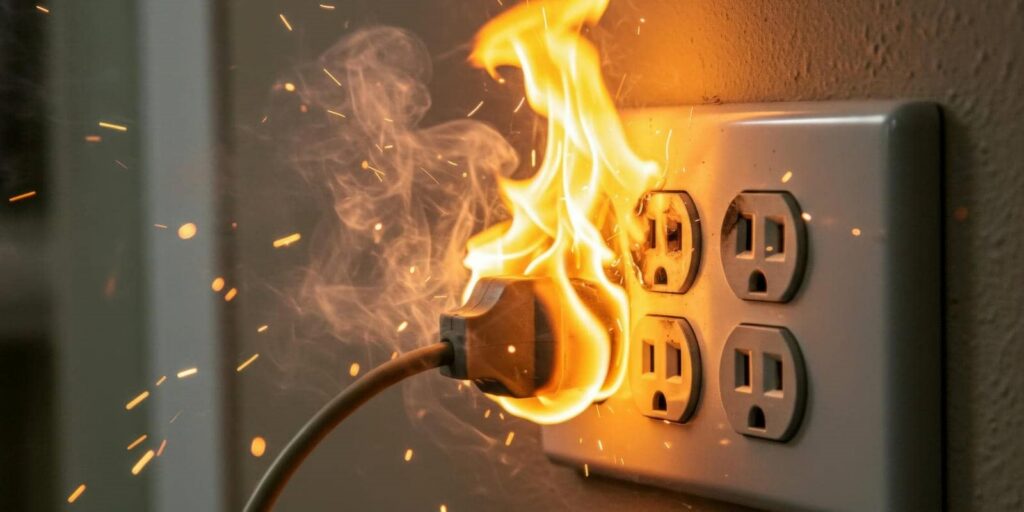
Electrical fire damage can raise labor because you may need licensed inspection and system repairs. If water from suppression soaked materials, you’ll also face added drying and removal work.
- Singed cabinets and countertops
- Warped wall studs behind plaster
- Melted wiring in a service panel
- Soaked flooring after extinguishing
When you understand the damage type, you can budget with more confidence and stay aligned with your restoration team.
How Soot, Smoke, and Odor Raise Prices
Soot removal raises your restoration cost because crews must clean surfaces, contents, and hidden residue with specialized methods.
Smoke that penetrates deeper into walls, insulation, and ductwork takes more labor and equipment to extract, which pushes pricing up.
Odor elimination also adds cost since you may need thermal fogging, ozone treatment, or sealants to fully neutralize lingering smells.
Soot Removal Costs
When smoke particles settle on walls, ceilings, and contents, cleanup costs can rise quickly, especially if the residue is greasy, acidic, or spread through multiple rooms.
You’ll pay more when technicians must use dry sponges, HEPA vacuums, detergents, and controlled wiping to protect surfaces. Heavy soot on textured finishes, HVAC parts, and fabrics takes longer to remove, so labor hours climb.
Odor treatment adds cost too, because you may need sealers, ozone, or thermal fogging after cleanup.
- Black streaks on white trim
- Dull film on glass and metal
- Powdery residue on upholstery
- Sharp smoke smell in closets
If you’re dealing with a fire loss, you’re not alone; a thorough soot cleanup helps your space feel safe again.
Smoke Penetration Depth
If smoke has penetrated deep into drywall, insulation, ductwork, or framing, restoration costs usually climb fast. You’re paying for more than surface cleaning when soot reaches hidden cavities and porous materials.
Technicians may need to remove affected sections, clean structural members, and verify that residue hasn’t spread through HVAC pathways. The deeper the smoke traveled, the more labor, containment, and disposal your project needs, which raises pricing.
Light surface impact is faster to address, but heavy infiltration can require broader demolition and more detailed inspections. You’ll also see higher costs when smoke migrated unevenly, because crews must test multiple areas instead of treating one room.
In a shared home or business, that added scope protects everyone’s space and keeps the work precise.
Odor Elimination Methods
Because smoke odor can cling to porous materials long after visible damage is gone, odor elimination often adds a major line item to fire restoration costs.
You’ll usually need more than surface cleaning, because soot particles and odor molecules settle into drywall, insulation, fabric, and ductwork. Technicians may combine HEPA vacuuming, thermal fogging, ozone, hydroxyl treatment, and sealants to reach hidden contamination.
Each method requires trained labor, equipment rental, and safety controls, which pushes pricing higher.
- Charred carpet releasing stale smoke in a living room
- Discolored vents spreading odor through every bedroom
- Sealed walls holding trapped fumes after cleanup
- Furniture soaking up ash smell like a sponge
Why Structural Damage Changes the Estimate
When fire compromises load-bearing members, your estimate rises because the structure may need immediate stabilization before any finish work can start.
Hidden framing damage can stay out of sight until demolition exposes it, which means the repair plan and labor hours often expand.
As the scope widens from surface cleanup to structural rebuilds, your fire damage restoration cost increases accordingly.
Load-Bearing Damage
Load-bearing damage raises fire restoration costs because it affects the home’s structural integrity and often requires immediate, specialized repairs.
You can’t treat it like surface cleanup; you need a structural assessment before work begins. When beams, joists, or walls lose strength, crews must stabilize the area, which adds labor, engineering, and permit costs.
That extra scope is why your estimate climbs fast.
- A sagging ceiling line over your living room
- Charred studs behind a warped drywall panel
- A cracked beam above a doorway
- A bowed floor that feels unsafe underfoot
You’re not alone in facing this. With the right team, you’ll get a safer plan, clearer pricing, and repairs that bring your home back together.
Hidden Framing Issues
Hidden framing issues can push fire restoration costs higher because damage inside walls, ceilings, and floors often goes unnoticed until crews open the structure.
You may see only surface soot, but heat can char studs, weaken joists, and dry out sheathing, making the frame less stable.
When inspectors find compromised members, they’ll document it because hidden structural loss changes labor, materials, and timelines.
You’ll also need more testing, selective demolition, and safety checks before drying and cleanup can continue.
Moisture from firefighting can worsen warped lumber or rusted connectors, too.
This is why your estimate can rise after opening work begins: the structure must be made sound before cosmetic repairs can happen.
Accurate assessment helps you and your team plan realistically.
Repair Scope Expansion
Once crews uncover damaged framing or other compromised building components, your fire restoration scope usually grows beyond the original surface cleanup.
You’ll often need demolition, structural drying, material replacement, and code-compliant rebuilding before finishing can begin. That expansion changes labor, permit, and inspection costs because you’re no longer just cleaning soot; you’re rebuilding the shell that keeps your home safe.
- Charred studs behind a kitchen wall
- Warped joists under a smoke-stained ceiling
- Open cavities exposed after drywall removal
- Fresh framing beside salvaged flooring
These conditions tell you the fire reached deeper than the visible damage.
When you work with a restoration team, you’re joining a process that protects the structure, restores stability, and helps your estimate reflect the real job, not just the first impression.
How Labor, Equipment, and Materials Affect Cost
Labor, equipment, and materials can make up a large share of fire damage restoration cost because each job requires a different level of cleanup, drying, deodorizing, and rebuilding.
You’ll pay more when technicians need skilled crews for structural demolition, smoke residue removal, and careful content handling.
Specialized equipment like air scrubbers, hydroxyl machines, dehumidifiers, and thermal foggers adds rental and operating charges.
Material costs rise when you replace insulation, drywall, trim, flooring, or cabinets with code-compliant products.
If you’ve got heavy soot, hidden moisture, or widespread char, the crew must work longer and use more supplies.
That’s why your quote should itemize labor hours, machine use, and replacement materials so you can compare bids confidently and understand where every dollar goes.
How Insurance and Deductibles Affect Payment
Insurance coverage can greatly reduce your out-of-pocket fire damage restoration cost, but only if the policy covers the cause of the loss and the specific repairs you need.
You’ll usually pay your deductible first, then the insurer may reimburse approved amounts after adjuster review and scope approval. If smoke, soot, or structural repair falls outside your limits, you absorb that balance.
Understanding your declaration page helps you see where coverage starts and stops, so you can plan with confidence and feel less alone in a stressful claim process.
- A charred living room with sealed tarps
- An adjuster photographing smoke-stained walls
- A receipt showing your deductible amount
- A repair estimate beside a damaged beam
Ways to Lower Fire Damage Restoration Cost
You can lower fire damage restoration cost by acting quickly, limiting secondary damage, and documenting everything before repairs start.
Shut off water, board openings, and protect clean areas so soot and smoke don’t spread. Photograph every room, item, and affected surface, then share the record with your adjuster and contractor.
Hire a licensed restoration team that can clean, deodorize, and stabilize materials before replacement becomes necessary. Ask for a written scope, compare bids, and separate emergency work from elective upgrades.
Salvage drywall, framing, and contents whenever professionals say they’re safe to keep. Use your insurer’s preferred vendors if they offer negotiated rates.
When you stay organized and make fast, informed choices, you protect your home, your budget, and your community.
Frequently Asked Questions
How Long Does Fire Damage Restoration Usually Take?
You’ll usually see fire damage restoration take days to weeks, depending on damage severity, smoke cleanup, drying, repairs, and inspections. Small jobs finish faster; major structural damage can stretch the timeline considerably.
Can I Stay in My Home During Restoration?
Usually, you can’t stay if smoke, soot, structural hazards, or utilities are affected; that’s the rub. You’ll need temporary housing until your contractor clears the space, controls contamination, and restores safe conditions.
Should I Clean Fire Damage Myself First?
No, you shouldn’t clean it yourself first. You can spread soot, worsen odors, and miss hidden damage. Instead, you should document the scene, avoid touching surfaces, and call a restoration pro right away.
Do Restorers Handle Contents and Furniture?
Yes, they usually do. You’ll have professionals pack out, clean, deodorize, and store your contents and furniture, then return them after repairs. They’ll inventory items, document damage, and protect salvageable belongings throughout the process.
Is Emergency Board-Up Included in Restoration Services?
Yes, you’ll often get emergency board-up as part of restoration services, and you’ll need it fast. Crews secure openings, prevent weather damage, and protect your belongings while they assess and start cleanup and repairs.
Summary
In the end, your fire damage restoration cost depends on how much soot, smoke, odor, and structural damage you’re facing. You’ll pay more when cleanup needs specialized labor, equipment, and materials, especially after severe fire types. Insurance can reduce your out-of-pocket expense, but your deductible still matters. To keep costs down, act fast, document damage, and compare estimates. If you wait, small repairs can turn into a full medieval-scale rebuild.