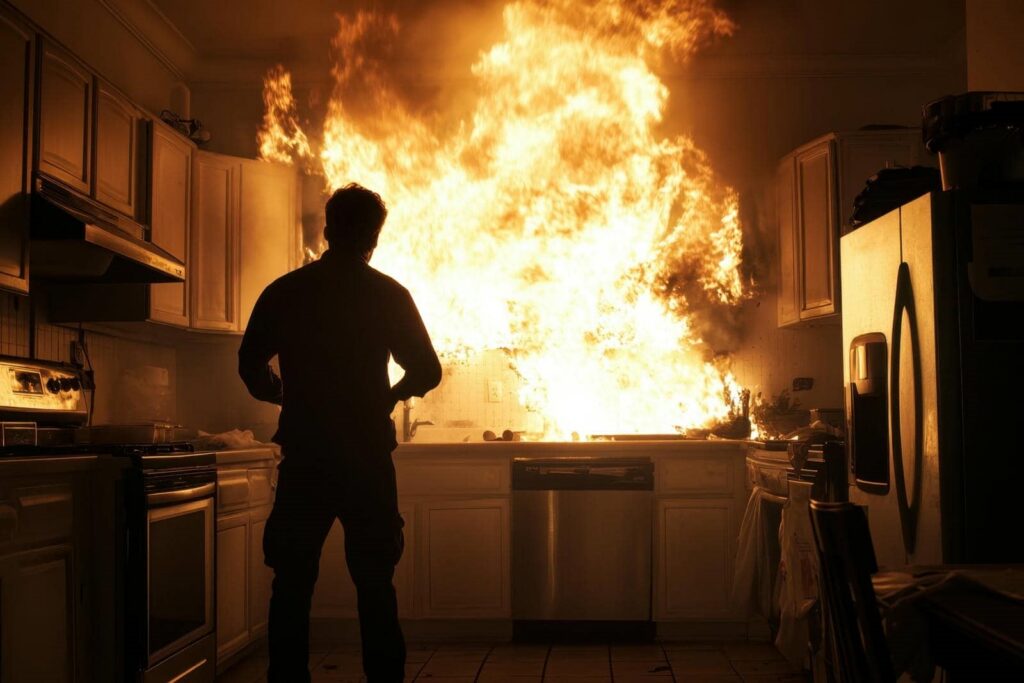
After a fire, you need to act quickly, but safely. You’ll first assess damage, contact your insurer, and bring in restoration specialists. From there, crews remove soot, debris, and hidden water, then stabilize and repair structural damage. Odor control and content salvage follow, with careful cleaning of items that can be saved. The final step is inspection and clearance, and that’s where the recovery plan really starts to come together.
Key Takeaways
- Ensure the property is safe, contact your insurer, and document damage before any cleanup begins.
- Professionals assess structural, electrical, and water damage to identify hazards and plan restoration.
- Restoration includes soot removal, debris cleanup, water extraction, drying, and odor elimination.
- Damaged materials and contents are sorted, cleaned, repaired, or discarded using appropriate methods.
- Final inspections confirm safety and repairs before coordinating a safe move-back-in.
What to Do Right After a Fire?
Right after a fire, you should first make sure the property is safe to enter and follow any instructions from emergency responders.
Once you can access the site, contact your insurance carrier and a trusted fire damage restoration team so they can document conditions and begin planning.
Keep your family together, gather essential medications, IDs, and chargers, and stay in touch with neighbors or relatives who can support you.
If utilities are shut off, leave them off until a licensed professional says they’re safe.
Limit movement inside to reduce contamination transfer, and avoid cleaning soot or wet debris yourself.
You’re not alone in this process; a coordinated response helps protect your home, preserves evidence, and sets up efficient recovery.
Check the Damage and Stay Safe
Once emergency responders clear the scene, you should inspect the property carefully from a safe distance and look for obvious hazards such as unstable walls, sagging ceilings, broken glass, exposed wiring, standing water, and lingering smoke.
Document what you see with photos and notes, but don’t enter any room that feels unsafe. If you notice cracked framing, warped floors, or a strong electrical smell, treat the area as restricted and wait for a qualified professional.
Wear sturdy shoes, gloves, and a mask when you’re allowed inside, and keep children and pets away.
Share your findings with your restoration team so they can plan the next steps. You’re not dealing with this alone; careful observation helps your crew protect your home and everyone in it.
Remove Smoke, Soot, and Debris
You’ll start by removing smoke residue from walls, ceilings, surfaces, and HVAC components using the right cleaning agents and methods for each material.
Next, you’ll clear out soot-laden debris, charred contents, and damaged materials in a controlled cleanup process to prevent further contamination.
This step helps reduce odors, limit corrosion, and prepare the space for detailed restoration work.
Smoke Residue Removal
After the fire is out and the area is safe, the next step is to remove smoke residue, soot, and debris from affected surfaces and contents.
You’ll want trained restorers to inspect each room, identify heat- and smoke-affected materials, and choose the right cleaning method for each surface. They may use dry sponges, HEPA vacuums, alkaline cleaners, or specialty solvents to lift residue without driving it deeper.
You’ll also see careful protection of salvageable items, so your belongings get the best chance of recovery. Working methodically reduces staining, corrosion, and lingering odor.
When you stay involved and ask questions, you can feel confident that your space is being treated with care, precision, and respect.
Debris Cleanup Process
With smoke residue addressed, the cleanup team can move into debris removal and surface decontamination.
You’ll see technicians sort materials by hazard level, then bag, haul, and dispose of charred contents, ash, and broken building parts under local safety rules. They’ll wear respirators, gloves, and protective suits to limit exposure to soot and hidden contaminants.
You can expect careful vacuuming with HEPA filtration, followed by wiping and scrubbing of walls, floors, framing, and fixtures with approved cleaning agents.
Moisture checks help prevent secondary damage during this phase. If structural members remain sound, the crew preserves them; if not, they recommend controlled removal.
Throughout the process, you’re kept informed, so your space feels organized, safe, and ready for the next stage of restoration.
Clean Up Water Damage Fast
Fast water cleanup limits long-term fire damage by reducing moisture before it seeps into drywall, flooring, and structural materials. You need to extract standing water quickly, then set up air movers and dehumidifiers to pull hidden moisture from carpets, baseboards, and cavities.
Use moisture meters to track progress and confirm affected areas are drying evenly. If soot is present, clean it after the water is controlled so residue doesn’t spread or stain further.
Open windows only when outdoor humidity helps; otherwise, keep the area sealed for efficient drying. You’re not handling this alone—restoration teams work with you to stabilize your space, protect belongings, and reduce secondary problems like mold and lingering odors.
Quick action helps your home recover with less disruption and greater peace of mind.
Repair Structural Fire Damage
You should first assess load-bearing damage to identify any heat-weakened walls, beams, or floor systems that may no longer carry safe structural loads.
Next, you’ll replace compromised materials such as charred studs, joists, sheathing, and connectors with code-compliant components that restore integrity.
Then you can reinforce framing and supports with proper bracing, fasteners, and engineered repairs to stabilize the structure and ensure it’s safe for use.
Assess Load-Bearing Damage
After the fire is out, a structural assessment should determine whether load-bearing walls, beams, columns, joists, or trusses have lost strength from heat, charring, or water saturation.
You’ll want a licensed structural professional to inspect deflection, cracking, spalling, and connection failure, because hidden damage can compromise the whole frame. The team measures moisture levels, checks alignment, and compares conditions against original design loads.
You stay informed through clear findings, so you know which areas remain safe to occupy and which need support. Temporary shoring may stabilize weakened members while the evaluation continues.
This step protects your home and everyone in it, and it gives you a reliable plan for the next phase of recovery.
Replace Compromised Materials
Once the structural assessment confirms which members have lost integrity, your restoration team can replace compromised materials with code-compliant framing, sheathing, drywall, insulation, and fasteners.
You’ll see burned studs, warped subflooring, and heat-damaged panels removed down to sound edges so new components fit tightly and perform predictably. Your crew matches lumber grades, panel thicknesses, and attachment patterns to local code and the original load paths, helping your home feel solid again.
They also seal joints, restore thermal barriers, and install fire-rated assemblies where required. This step reduces hidden weaknesses and supports a clean finish for later repairs.
You’re not rebuilding alone; each precise replacement brings your space closer to safe, familiar, and lasting recovery.
Reinforce Framing And Supports
Next, your restoration team reinforces framing and supports where fire and heat have weakened load-bearing members. They assess joists, studs, beams, and roof trusses for warping, char depth, and loss of strength, then install sistered members, steel plates, or temporary shoring as needed.
You’ll see crews transfer weight safely before they remove damaged sections and rebuild connections to code. This step restores the structure’s load path, so the home can stand securely while later repairs continue.
We keep you informed at each stage, because you deserve to know your space is being made safe. Proper reinforcement also helps prevent sagging, shifting, and hidden failures after the fire.
When the frame is sound, you can move forward with confidence and a clear path toward recovery.
Remove Odors and Purify the Air
Why do fire odors linger so long? Smoke particles are tiny, sticky, and they settle into porous materials, ductwork, and hidden cavities, so you need targeted treatment, not just masking sprays.
Your restoration team will first identify odor sources, then use HEPA air filtration, negative air pressure, and thermal or hydroxyl deodorization to break down volatile compounds.
They’ll clean HVAC pathways and seal off affected zones so contaminants don’t keep circulating. You can expect controlled ventilation to replace stale air with fresher air while moisture is managed to limit secondary odors.
This process works best when every surface and air path gets attention. With the right equipment and a careful plan, your space can feel safe again, and you can breathe easier knowing the air is being restored.
Clean and Salvage Damaged Contents
Carefully sort each item to decide whether it can be cleaned, repaired, or must be discarded, because fast, informed handling improves the chance of saving valuable contents.
You’ll work with gloves and masks, then document each piece before treatment so nothing gets overlooked. Hard surfaces can often be washed with specialized detergents, while fabrics, paper, and electronics need targeted methods to prevent further damage.
You may see soot embedding in pores and seams, so vacuuming with HEPA equipment and gentle dry cleaning usually comes first.
Pack salvaged items in clean, labeled containers, keeping like materials together to reduce cross-contamination.
If anything feels fragile or sentimental, ask for professional handling; you’re not dealing with this alone, and careful restoration can preserve both function and memory.
Final Inspections and Move-Back-In
Before you move back in, the final inspection confirms that the restoration work meets safety and quality standards.
You’ll see technicians verify structural repairs, check moisture readings, test electrical systems, and confirm that smoke and soot residues are gone.
They’ll also inspect HVAC components, sealants, paint, and cleaned contents to ensure nothing’s been missed.
If they find any issue, they’ll correct it before sign-off.
Once the space passes, you can coordinate your move-back-in plan with confidence.
You’ll receive guidance on safely unpacking, placing furniture, and ventilating rooms during the first few days.
This last step helps you return to a home that’s stable, clean, and ready for everyday life again, so you can feel grounded and welcome in your own space.
Frequently Asked Questions
How Long Does Fire Restoration Usually Take?
You’ll usually need days to several months, depending on smoke, soot, structural damage, and drying time. You can expect assessment, cleanup, repairs, and odor removal; faster response helps you get back home sooner.
Does Insurance Cover Fire Damage Restoration Costs?
Yes, you’re usually covered if your policy includes fire damage, and you’ll typically file a claim, document losses, and work with adjusters. You may still pay deductibles, so review limits, exclusions, and temporary housing benefits carefully.
Can I Stay in My Home During Restoration?
You can stay only if crews deem it safe. Smoke, soot, and structural hazards often make your home a fragile shell; you’ll need clear air, stable power, and sealed work zones before returning.
How Do Professionals Estimate Restoration Costs?
You’ll get a detailed inspection: pros assess soot, smoke, water, structural damage, materials, labor, equipment, and disposal needs. They’ll document losses, measure affected areas, and compare repair versus replacement so you’re not left guessing.
When Should a Fire Damage Restoration Company Be Called?
You should call a fire damage restoration company immediately after the fire is extinguished and it’s safe to enter. They’ll quickly assess soot, smoke, odor, and structural damage, helping you restore your space with confidence.
Final Thoughts
After a fire, you move from shock to recovery one careful step at a time. You check the scene for safety, call the right professionals, and document what you can. Then you clear smoke, soot, water, and debris, repair structural damage, and remove stubborn odors. You also salvage what’s cleanable. When inspections confirm everything’s safe, you’re ready to move back in with confidence, calm, and a restored sense of home.