
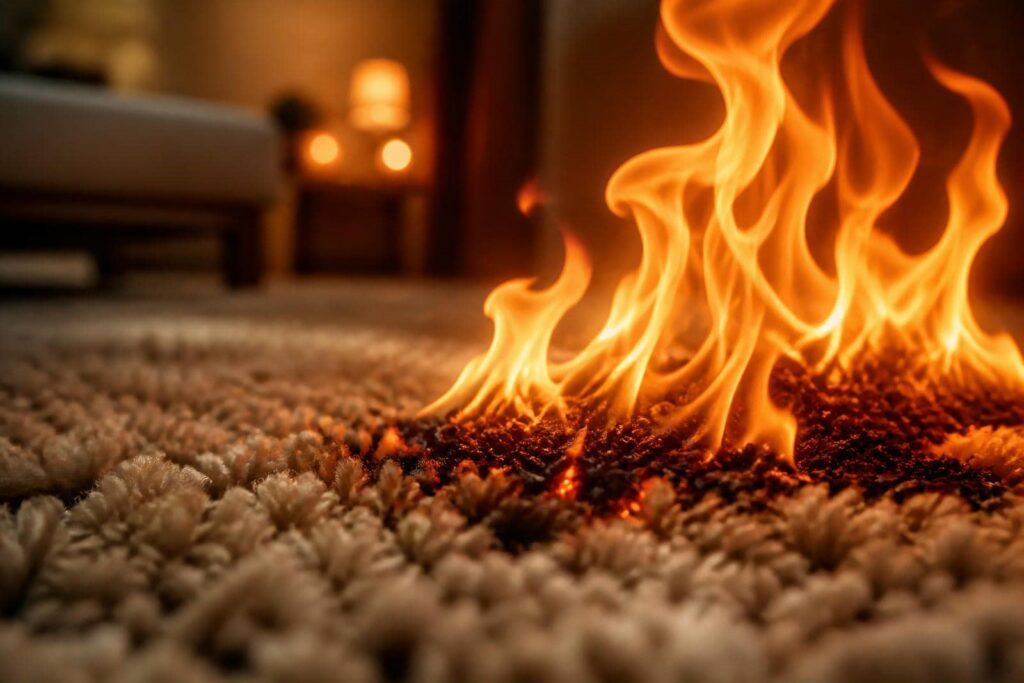
You might notice a house that looks clean but still smells like a campfire weeks later, like an invisible stain you can’t scrub away. Smoke particles settle into drywall, insulation, fabrics, and subfloors, then keep releasing odor as surfaces off-gas. You can wipe what you see, but hidden residues often survive. Understanding why that happens is the first step to removing it for good, and the next step is where most people miss the source.
Key Takeaways
- Smoke odor lingers because microscopic particles and volatile compounds bond to porous materials like drywall, insulation, fabric, and wood.
- Heat can bake smoke residue into surfaces, making simple airing-out or surface cleaning ineffective.
- Smoke travels through airflow and HVAC systems, spreading odor into hidden wall cavities and ducts.
- Normal cleaning may remove visible soot but leave deep contamination that keeps releasing odor over time.
- Professional remediation uses inspection, source removal, specialized cleaning, and odor-neutralizing treatments to eliminate embedded smoke smells.
Why Smoke Odor Lingers After Fire Damage
After a fire, smoke odor lingers because microscopic particles settle deep into porous materials and hidden air spaces.
You’re not imagining it; soot and volatile compounds bond to drywall, insulation, textiles, and wood finishes, then release odor gradually over time.
Heat can also bake residues into surfaces, making simple airing-out ineffective. That’s why smoke odor removal after fire often needs targeted cleaning, deodorization, and material-specific treatment.
You’ll get the best results when professionals assess contamination, identify affected areas, and apply methods that neutralize odor instead of masking it.
With the right process, your home can feel clean again, and you won’t have to keep living with that harsh reminder.
You’re part of a recovery plan that works.
How Smoke Moves Through a Home
You’ll find that smoke moves quickly through a home by following air currents, ventilation paths, and open gaps around doors, vents, and framing.
As it spreads, odors don’t just stay in the air; they also settle into porous materials like drywall, insulation, fabric, and wood.
That’s why effective smoke odor removal has to address both airborne residue and the surfaces where smells become trapped.
Smoke Travels Through Air
Smoke doesn’t stay put after a fire; it moves quickly through open rooms, hallway connections, vents, and small gaps around doors, outlets, and trim, spreading odor far beyond the original burn area.
You’ll notice the strongest scent where airflow carries it fastest, especially when HVAC systems, fans, or pressure differences pull smoke through the home.
Even after flames are out, airborne particles keep circulating until you remove them and clean the air.
That’s why a full assessment matters: you’re not just chasing one room’s smell, you’re tracing how the smoke traveled.
When you understand these pathways, you can target treatment more effectively and restore a cleaner, safer environment for your household.
Odors Settle Into Materials
Once smoke passes through a home, it doesn’t just linger in the air; it settles into porous materials like drywall, insulation, carpeting, upholstery, and wood trim, where microscopic particles cling to surfaces and continue releasing odor over time.
You’ll notice that heat and humidity can reactivate these deposits, making the smell stronger after cleaning or on damp days. Because smoke molecules penetrate tiny voids, surface wiping alone rarely reaches the source.
Professional treatment targets the layers where odors hide, helping you reclaim a space that feels like yours again.
- Fabrics trap residues fast.
- Walls absorb odor deeply.
- Hidden cavities keep smells active.
Why Is Smoke Odor So Hard to Remove?
Smoke odor is hard to remove because fine particles can embed deeply into drywall, insulation, carpet fibers, and soft furnishings, where standard cleaning won’t fully reach them.
You also have to account for porous materials that absorb odor compounds and slowly release them back into the air over time.
Even hidden damage inside wall cavities, HVAC ducts, and subflooring can spread the smell, which is why professional treatment is often necessary.
Smoke Particles Embed Deeply
Because fire leaves behind microscopic particles, smoke odor can sink into porous materials and linger long after the visible damage is gone. You’re not imagining it—these particles are tiny enough to settle into cracks, fibers, and surface pores, where they resist normal cleaning.
Heat drives them deeper, and as air moves, they spread into nearby spaces, making the smell feel stubborn and widespread.
- You may notice the odor returning after a few hours.
- You might clean a surface, yet still catch a faint smoky note.
- You’re dealing with contamination that needs targeted treatment.
Professional smoke odor removal works by addressing embedded particles at the source, not just masking them.
That approach helps you reclaim a fresher, safer space and feel confident at home again.
Odor Lingers In Materials
Even after the flames are out, smoke odor can keep coming back because it clings to materials that absorb and hold it. You’ll notice this most in porous surfaces like drywall, carpet, upholstery, wood, and insulation.
These materials don’t just catch smoke on the surface; they pull odor molecules into tiny openings and fibers, where normal cleaning can’t always reach. Heat can also cause residue to bond more tightly, making the smell harder to release over time.
When humidity rises, those trapped compounds can reenter the air, so the odor seems to return. That’s why thorough smoke odor removal often requires targeted cleaning, sealing, or replacement.
With the right treatment, you can restore a cleaner indoor environment and feel comfortable in your space again.
Hidden Damage Spreads Smell
What makes smoke odor so hard to remove is that fire damage often leaves hidden residue in places you can’t easily see. You may clean the surface, but soot and odor particles keep moving through wall cavities, insulation, ducts, and upholstery.
Heat can also open pores in materials, letting smell settle deeper and spread into nearby rooms. That’s why you still notice smoke after basic cleaning.
- Tiny particles cling to fibers and framing.
- Airflow carries odor into hidden voids.
- Moisture can reactivate trapped contamination.
You’re not imagining it, and you’re not alone.
Professional treatment targets these concealed layers with controlled cleaning, sealing, and deodorizing, so your space feels safe, fresh, and truly restored.
How Professionals Remove Smoke Odor
Professionals remove smoke odor by targeting the sources where it lingers most: walls, fabrics, insulation, and hidden air spaces.
You get a layered treatment plan that starts with inspection, source removal, and containment. Technicians clean soot from surfaces with specialized detergents, then neutralize odor in porous materials using thermal fogging, hydroxyl treatment, or ozone when appropriate.
They often wash HVAC components and seal stained drywall or framing after cleaning. This process matters because smoke particles can bond inside materials, not just sit on top.
You’re not just masking a smell; you’re restoring the indoor environment so your space feels safe and comfortable again.
With the right equipment and sequencing, professionals help your home return to normal faster and with fewer lingering reminders of the fire.
Why DIY Methods Miss Hidden Smoke Odor
DIY methods often miss hidden smoke odor because you can clean visible surfaces without reaching the porous materials and air pathways where odor actually settles. You may wipe, spray, and air out a room, yet microscopic residue can stay embedded and keep releasing smell when humidity or heat changes.
That’s why the odor seems to return even after a thorough cleanup.
- You treat what you can see, not the spaces behind trim or inside vents.
- You mask odor briefly, but you don’t neutralize the compounds causing it.
- You feel progress fast, then notice the smell again later.
When you understand this, you’re not failing—you’re facing a technical problem that needs deeper treatment.
Professional methods target those hidden sources so your space can feel comfortable again.
Which Fire-Damaged Materials Trap Odor Most?
Porous and layered materials trap smoke odor most stubbornly because they absorb soot particles and let them settle deep inside the structure. You’ll notice this most in drywall, insulation, carpet padding, upholstered furniture, curtains, and unfinished wood.
These materials hold odor in tiny voids, fibers, and seams where airflow can’t reach. Smoke also binds to dust and residue on surfaces, then keeps off-gassing long after the fire.
In contrast, sealed metal, glass, and tile release odor more easily. If you’re dealing with mixed damage, focus on hidden cavities, soft furnishings, and wall assemblies first.
Those are the places where odor clings and keeps your space from feeling like home. Targeting them helps restore a cleaner, safer indoor environment for you and your household.
When to Schedule Smoke Odor Removal
Once you know which materials hold smoke odor the longest, the next step is timing the cleanup correctly. You should schedule smoke odor removal as soon as fire crews declare the space safe and utilities are stable.
Early treatment limits soot bonding, reduces corrosion, and keeps odors from migrating deeper into drywall, insulation, and HVAC paths. If you wait, porous materials can lock in odor and raise restoration costs.
You’ll also want professional help before moving back belongings or repainting, since those steps can seal contamination in.
- Right after emergency drying, to stop odor spread
- Before replacing carpets, fabrics, or insulation
- After a full inspection confirms hidden smoke residue
Acting quickly helps you protect your home and feel confident again.
Frequently Asked Questions
How Long Does Smoke Odor Removal Usually Take?
Usually, you’ll need several hours to a few days for light odors, but deeper smoke damage can take longer. You’ll get the fastest results when you use professional cleaning, sealing, and ventilation together.
Is Smoke Odor Harmful to Breathe After a Fire?
Yes, it can be harmful to breathe after a fire—how comforting. You’ll inhale irritants, toxins, and fine soot that inflame airways. Ventilate quickly, wear protection, and get professional cleanup to keep your space safer.
Can Smoke Odor Return After Cleaning Is Finished?
Yes, it can return if you didn’t remove residue from porous materials or HVAC pathways. You’ll stay safer when you recheck hidden spaces, seal contaminated surfaces, and maintain ventilation with professional follow-up treatments.
Will Insurance Cover Professional Smoke Odor Removal?
Yes, your policy often covers professional smoke odor removal if the fire’s covered. You’ll need documentation, estimates, and claim approval, and you should ask your adjuster whether deodorization, cleaning, and repairs’re included.
Do HVAC Systems Need Cleaning After Smoke Damage?
Yes—HVAC systems often need cleaning after smoke damage. In one fire, ducts can recirculate odors room-wide. You’ll protect your home’s air, support thorough restoration, and help your space feel safe, familiar, and truly yours.
Conclusion
Smoke odor doesn’t just fade after a fire—it hides in drywall, insulation, and fabric like an invisible residue, slowly releasing itself back into your home. You need more than surface cleaning to stop it. Professional smoke odor removal targets trapped particles with thermal fogging, ozone, and targeted material replacement so you can restore indoor air quality and comfort. When the smell lingers, don’t wait; the sooner you act, the sooner your home can breathe clean again.