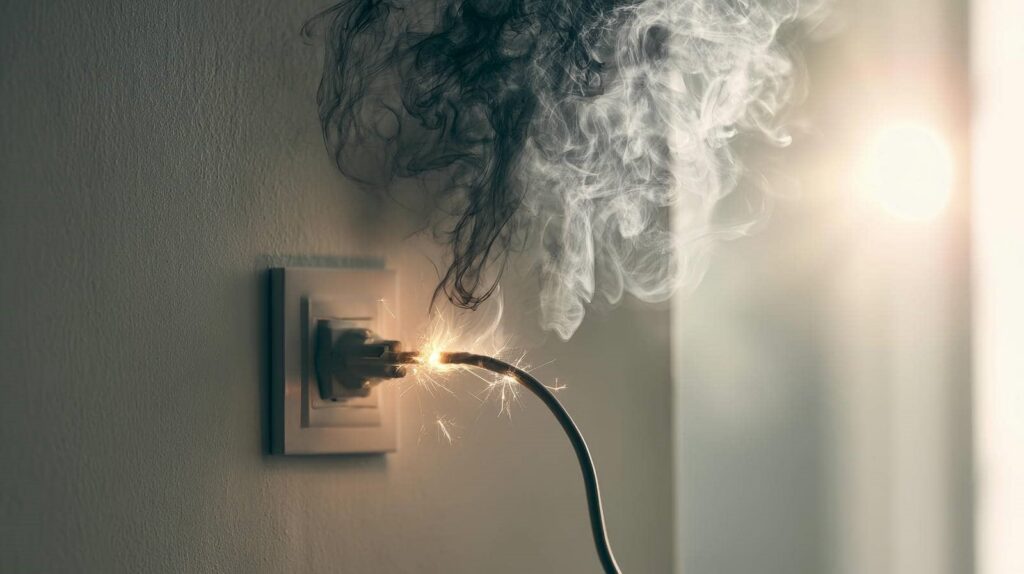
Smoke can settle like a dark film over every surface, and you need to move quickly before the damage spreads. You assess hidden fire damage, remove soot and residue with proper methods, salvage what you can, and eliminate odor at the source. You also inspect for structural and fixture damage that may not be obvious at first. Knowing when to bring in fire restoration pros can change the outcome when dealing with fire and smoke damage cleanup.
Key Takeaways
- Start cleanup quickly to prevent smoke residue, odors, and acidic byproducts from causing further damage.
- Assess all surfaces, contents, and structures to determine what can be salvaged and what needs replacement.
- Remove soot with HEPA vacuuming, dry sponges, and approved detergents, working from the top of each room downward.
- Inspect for hidden damage in walls, ceilings, floors, HVAC, and electrical systems using flashlights, moisture meters, and thermal imaging.
- Call professionals for heavy soot, persistent odors, warped materials, or suspected structural, HVAC, or electrical damage.
What Fire Cleanup Includes
Fire cleanup includes removing soot, cleaning smoke residue, deodorizing affected areas, and addressing damaged materials.
In fire and smoke damage cleanup, you’ll see technicians assess surfaces, contents, and structural elements to identify what needs specialized treatment. They may use dry or wet cleaning methods, HEPA vacuuming, and controlled deodorization to reduce contamination and lingering odors.
You can expect attention to walls, ceilings, HVAC components, fabrics, and hard surfaces, since smoke particulates settle unevenly. Effective restoration also separates salvageable items from those that need replacement, helping you regain a safe, usable space.
When you understand what fire cleanup includes, you’re better prepared to work with a team that restores order, protects health, and supports your recovery with clear, skilled service.
Act Fast After Fire Damage
After the initial cleanup steps are identified, speed becomes a major factor in limiting further loss. You need to act immediately to protect your property, reduce contamination, and keep recovery on track.
Smoke residue can settle quickly, and acidic byproducts may start degrading surfaces within hours. When you respond fast, you give your restoration team a better chance to contain damage, organize the work, and restore normal conditions sooner.
You also help your household or business stay connected to a clear recovery plan, which builds confidence during a difficult time. Prompt action supports safer cleanup, more accurate documentation, and fewer delays in service.
Don’t wait for conditions to worsen; your early response strengthens the entire restoration effort and helps your space move toward stability.
Check for Hidden Fire Damage
Although visible damage may look limited, you still need to inspect for hidden fire damage because heat, smoke, and water can compromise materials behind walls, above ceilings, and under flooring.
You should check framing, insulation, ductwork, electrical runs, and structural joints for warping, charring, corrosion, or moisture intrusion. Use a flashlight, moisture meter, and thermal imaging if you have them, or bring in a qualified restoration specialist.
You’ll protect your space by confirming that no concealed areas stayed exposed to extreme temperatures or firefighting water. When you verify these conditions early, you can plan repairs with confidence and avoid surprises that delay recovery.
Careful inspection helps you reenter your home or business with greater certainty and a stronger sense of control.
Remove Soot and Residue
Once you’ve confirmed the hidden damage, you can begin removing soot and residue from affected surfaces before they etch, stain, or spread.
You should work methodically, starting at the top of each room and moving downward so loosened particles don’t recontaminate cleaned areas. Use dry-cleaning sponges, HEPA vacuuming, and manufacturer-approved detergents matched to the surface type.
Test a small section first, then clean with light pressure to avoid grinding soot into porous materials. Keep ventilation controlled so debris doesn’t circulate through your space.
Wear gloves, eye protection, and a respirator rated for fine particulates. In homes and businesses, this disciplined approach helps protect shared spaces, preserves finishes, and supports a cleaner, safer environment for everyone involved.
Save Belongings You Can Salvage
Prioritize items you can safely restore, and move them to a clean, dry area before smoke odor, moisture, or soot cause further damage.
You should separate salvageable belongings by material type, such as textiles, paper, electronics, and hard goods, because each needs different handling.
Use gloves and boxes with clean liners to prevent cross-contamination. Photograph items before you pack them, then label each container so you can track condition and ownership.
If an item feels unstable, warped, or heavily charred, set it aside for professional review instead of risking more loss.
With a careful triage process, you protect valuable memories, reduce replacement costs, and keep your recovery organized.
This method helps you preserve the pieces that still belong in your space and your life.
Remove Smoke Odor the Right Way
You need to identify every odor source, including hidden soot in porous materials and HVAC pathways, before you start treatment.
Then you can use deep odor removal methods such as HEPA vacuuming, thermal fogging, and targeted cleaning to eliminate trapped smoke residue.
Finish with air purification methods, including activated carbon filtration and controlled ventilation, so the affected space can’t retain or recirculate odor.
Source Identification
Source identification is the first step in removing smoke odor the right way, because the smell usually lingers in soot, residue, and porous materials that absorbed combustion byproducts.
You need to trace where smoke traveled, then inspect walls, ceilings, HVAC returns, insulation, fabrics, and hidden voids.
Different fire sources leave different residues, so you’ll get better results when you match the cleanup method to the contamination pattern.
You should document affected areas, note odor intensity, and identify materials that hold odor most strongly.
This gives you a clear plan and helps your team work with confidence.
When you locate the primary source, you reduce guesswork, protect unaffected spaces, and move toward a cleaner, safer environment that feels like yours again.
Deep Odor Removal
Once you’ve identified where smoke traveled, deep odor removal focuses on eliminating contamination at the material level, not just masking the smell.
You’ll need to clean porous and nonporous surfaces differently because smoke particles bond to drywall, framing, textiles, and finishes.
Use HEPA vacuuming, detergent cleaning, and specialty odor-neutralizing agents to break down residue before it can off-gas again.
If materials are heavily affected, you may need to remove and replace them to fully eliminate embedded odor sources.
You’ll also inspect hidden cavities, insulation, and contents, since trapped residue can keep odors circulating.
Air Purification Methods
After surface cleaning and odor neutralization, air purification helps capture the smoke particles that still linger in the indoor environment.
You should run HEPA air scrubbers to pull fine soot from circulation and reduce respiratory irritation. Pair them with activated carbon filters, which adsorb odor-causing volatile compounds that cleaning alone can’t reach.
If your HVAC system was exposed, install high-efficiency filters and keep the fan running only after ducts are inspected and cleared.
Place units to create airflow through affected rooms, not against walls or furniture.
Replace saturated filters promptly, because loaded media can release trapped contamination.
When you use these methods together, you strengthen the recovery process and help your home or business feel cleaner, safer, and ready for everyone again.
Repair Fire-Damaged Surfaces and Fixtures
When fire leaves surfaces and fixtures damaged, you need to assess whether cleaning, refinishing, or replacement will restore safe function and appearance.
Start by removing soot and loose char from metal, tile, glass, and sealed wood with methods matched to each material. Then, sand, prime, and repaint or reseal surfaces once they’re dry and stable.
Replace warped trim, cracked drywall, scorched insulation, and heat-damaged hardware that won’t perform reliably.
Inspect cabinets, doors, counters, and electrical fixtures for hidden deformation or residue that can trap odor and compromise safety.
As you repair, keep matching finishes and aligned fittings so your space feels coherent again.
Careful restoration helps you reclaim a clean, durable environment that supports everyday use and shared confidence.
When to Call Fire Restoration Pros
Call fire restoration pros if the damage extends beyond light soot or surface staining, because smoke can penetrate framing, insulation, ductwork, and hidden cavities that standard cleaning won’t fully reach.
You should also call them when you smell persistent odor, see warped materials, or find wet, brittle, or corroded surfaces after suppression.
Their team can assess structural impact, map contamination, and use containment, HEPA filtration, and thermal deodorization to protect your space.
If the fire affected electrical systems, HVAC components, or porous contents, you’ll benefit from specialized drying, cleaning, and salvage protocols.
Bringing in trained pros early helps you avoid hidden losses, reduce health risks, and restore a safer environment for everyone who belongs in the building.
Frequently Asked Questions
Does Insurance Usually Cover Fire and Smoke Cleanup Costs?
Usually, yes—your homeowners or commercial policy often covers fire and smoke cleanup costs, minus any deductible, if the damage is sudden and covered. You should review your policy and notify your insurer right away.
How Long Does Fire Restoration Typically Take?
Typically, you’ll need days to weeks, depending on damage severity, drying, cleaning, and repairs. No stone unturned, your restoration team’ll assess scope, remove soot, neutralize odors, and rebuild efficiently so you’re back sooner.
Can HVAC Systems Spread Smoke Contamination After a Fire?
Yes, you can. HVAC systems circulate smoke particles, soot, and odors through ducts, filters, and vents after a fire, spreading contamination throughout your space. You should shut the system down, inspect it, and clean it professionally.
Is It Safe to Stay in a Fire-Damaged Building Overnight?
No, you shouldn’t stay overnight unless authorities clear the building and you’ve confirmed no structural, electrical, or air-quality hazards. You’re safer elsewhere, because smoke residues, hidden hot spots, and weakened materials can still threaten you.
What Items Are Too Damaged to Restore After Smoke Exposure?
You’ll usually need to discard porous items with deep smoke penetration, like mattresses, insulation, upholstered furniture, food, medicines, and some electronics. If materials are charred, warped, or heavily contaminated, you can’t safely restore them.
Summary
After fire and smoke damage, you need to act fast, inspect carefully, and clean thoroughly. You can’t just wipe away soot; you must remove hidden damage, salvage what’s stable, and eliminate odor at the source. If you repair surfaces without proper remediation, the damage can return like an echo in a hollow room. When the loss is extensive, you should call fire restoration pros to restore safety, function, and peace of mind.