
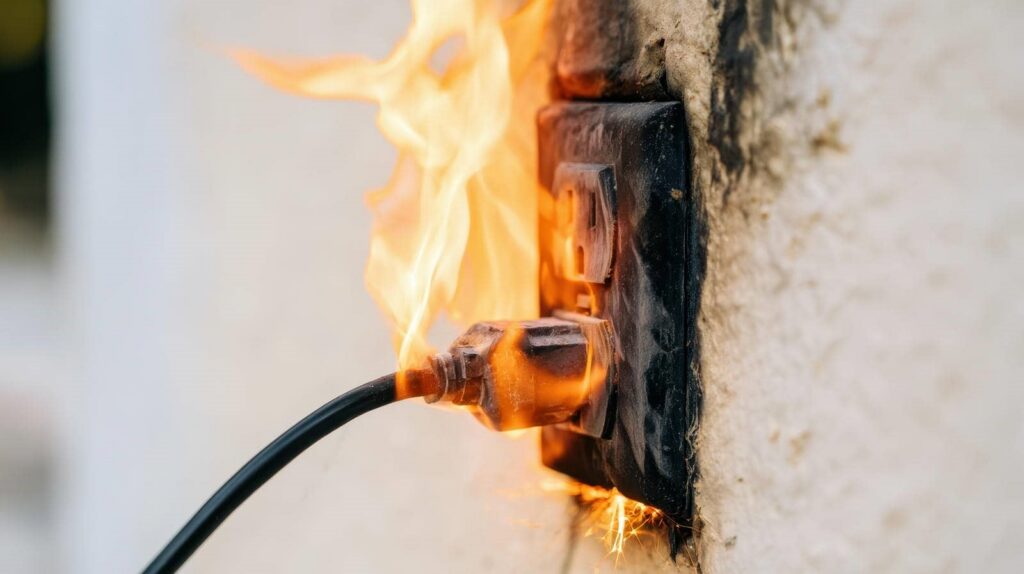
When the smoke clears like a warning you can’t ignore, your first move is to keep everyone safe and wait for fire department clearance before you go back inside. Then document damage, notify your insurer, protect salvageable items, and line up a licensed restoration contractor. The choices you make in the first hours can shape the whole recovery, and a few careful steps now can prevent bigger losses later when deciding what to do after a house fire.
Key Takeaways
- Call 911 if the fire may still be active, evacuate everyone, and stay out until authorities say it is safe.
- Document all fire, smoke, and water damage with dated photos and a room-by-room list for insurance.
- Contact your insurance company quickly, report the loss, and ask about forms, deadlines, and temporary housing.
- Handle salvageable items only after clearance, using gloves and a mask, and separate damp items from dry ones.
- Hire a licensed fire restoration contractor for cleanup, board-up, water extraction, and safe repair planning.
Call 911 and Make the Home Safe
If the fire is still active or you suspect hidden hotspots, call 911 immediately and get everyone out of the home.
Stay outside and let firefighters check the structure, because reentry can expose you to smoke, falling debris, and carbon monoxide.
If you know the power, gas, or water can be shut off safely from outside, ask responders or utilities to handle it.
Keep pets with you and choose a clear meeting spot so your group stays together.
This is the first step in what to do after a house fire: protect life, then secure the property.
Once the scene is stable, wait for official clearance before going back in.
You’re not alone; your community and emergency crews are there to help.
Document Fire Damage for Insurance
Once firefighters give you the all-clear, start documenting the damage for your insurance claim right away. Move through the home carefully and photograph every affected room, including ceilings, walls, floors, personal items, and hidden structural damage.
Capture wide shots, then close-ups, and record any smoke, soot, or water intrusion. Keep your findings organized so you can show the full scope of loss with confidence.
- Take date-stamped photos and video.
- Write a room-by-room damage list.
- Save damaged items until they’re inspected.
- Back up files in the cloud.
Use a notebook or phone app to track item names, purchase dates, and estimated values. You’re not doing this alone; clear records help your claim reflect what your household actually lost, and they support a smoother path toward recovery.
Contact Your Insurance Company
Contact your insurance company as soon as you have a safe place to stay and basic documentation in hand.
Call the claims line, note the date, time, and representative’s name, and ask for a claim number right away.
Give a clear summary of what happened, then share your photos, inventory notes, and any fire department report number.
Ask what forms, deadlines, and temporary housing benefits apply to your policy.
Keep every receipt related to displacement, meals, and emergency needs, because your carrier may reimburse approved costs.
Use one email thread or folder to organize all communication, and save voicemail messages too.
Staying organized helps you move with confidence, and it reminds you that you’re not handling this alone.
Protect Salvageable Items Safely
With your claim started, you can turn to the items that may still be saved, but only after the fire department says it’s safe to reenter. Move slowly, and treat every object like it could hide soot, moisture, or sharp debris.
Wear gloves, closed-toe shoes, and a mask so you don’t spread contamination or expose yourself.
Separate dry items from damp ones right away.
Handle photos, papers, and textiles with clean, dry hands.
Place fragile belongings in breathable containers, not plastic.
Keep damaged items together so you can account for them later.
Work in short sessions, and stop if you feel overwhelmed.
You’re not alone here; many people restore a few meaningful things first, then build from there with calm, careful steps.
Arrange Fire Cleanup and Repairs
Now that the immediate salvage work is underway, arrange professional cleanup and repairs so the damage doesn’t spread.
Contact a licensed fire restoration contractor, your insurer, and, if needed, your landlord or HOA before anyone starts demolition.
Ask for emergency board-up, roof tarping, water extraction, soot removal, and odor control first. You’ll protect framing, wiring, and HVAC by drying and stabilizing materials quickly.
Keep a written scope of work, photos, and receipts so your claim stays organized.
Confirm the crew uses containment, HEPA filtration, and proper disposal for contaminated debris.
Before repairs begin, verify permits, timelines, and safety checks for electrical, gas, and structural systems.
Working with trusted pros helps you feel less alone and keeps your home’s recovery moving in the right direction.
Frequently Asked Questions
How Do I Find Temporary Housing After a Fire?
Contact your insurer, local Red Cross, and family or friends first; they often arrange short-term lodging. Then compare hotel rates, rental listings, and disaster housing programs, and keep receipts for reimbursement.
When Is It Safe to Re-Enter the House?
You can re-enter only after fire officials say it’s safe; otherwise, the house is a storm of hazards. Wait for clearance, check for structural damage, utilities, and smoke, then wear protective gear.
What Should I Do With Pets After a House Fire?
You should move your pets to a safe, quiet location, then call a veterinarian if they seem injured, coughing, or stressed. Keep water available, document any harm, and arrange temporary boarding if needed.
How Do I Replace Lost Identification Documents?
You’ll replace lost IDs by contacting the issuing agencies, reporting the fire loss if needed, and bringing proof of identity and residence. Start with your DMV, Social Security office, bank, and local important records office.
Can I Access Emergency Funds After a Fire?
Yes, you can access emergency funds after a fire. Contact your insurer, local relief agencies, and your bank quickly; they’ll help you get cash, temporary housing support, and claims started, so you’re not left high and dry.
Conclusion
Before repairs begin, you should keep safety first, document damage thoroughly, and contact your insurer quickly. You should photograph every room, list every loss, and save every receipt. You should protect salvageable items carefully, separating dry belongings from damp ones, and you should wait for licensed professionals to handle cleanup. By acting in order, and acting with care, you’ll reduce risk, support your claim, and move your recovery forward with confidence.