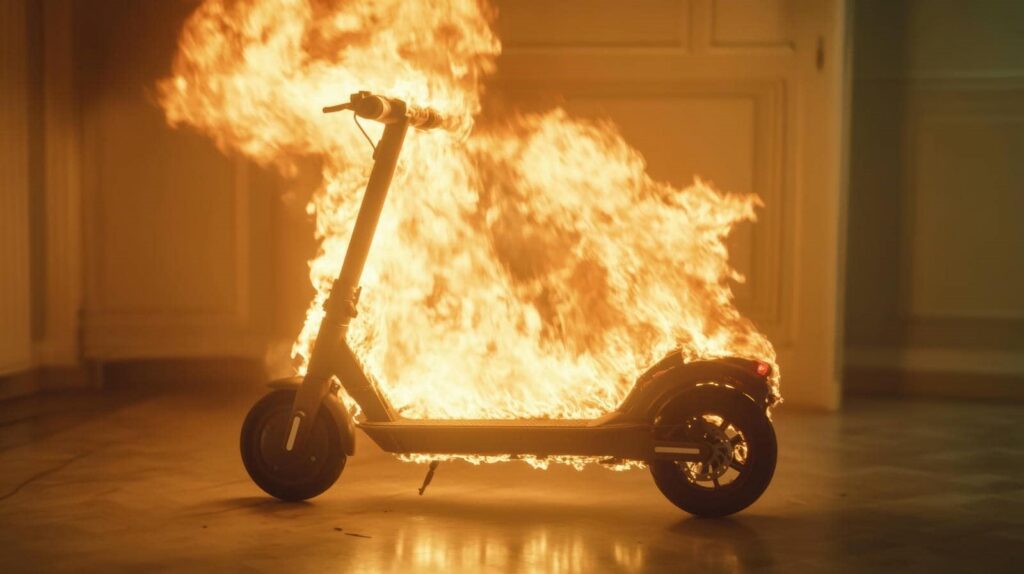
After an electrical fire, you need to treat the area as unsafe until proven otherwise. Shut off power if you can do so safely, keep everyone out, and call emergency services when needed. Before you touch anything, document visible damage and look for hazards like smoke, soot, and exposed wiring. The electrical fire cleanup starts with control, not convenience, and the next steps can determine whether hidden damage spreads.
Key Takeaways
- Evacuate immediately, call emergency services, and do not re-enter until the area is declared safe.
- Shut off power at the main breaker if safe, and keep everyone away from outlets, cords, and damaged equipment.
- Document visible smoke, soot, and charred materials from outside before cleanup begins.
- Clean soot with proper PPE, using HEPA vacuuming, dry sponges, and nonionic cleaners on hard surfaces.
- Have a licensed electrician or fire restoration professional inspect wiring, panels, ducts, and hidden damage before restoring power.
What Should You Do Right After an Electrical Fire?
If you’ve just had an electrical fire, prioritize safety before anything else: evacuate if needed, call emergency services, and don’t re-enter until the area is declared safe.
Once the scene is stable, you can begin electrical fire cleanup by documenting visible damage from outside, noting soot, smoke odor, and affected materials. Keep others away from the area and avoid touching outlets, cords, or appliances that were exposed.
If you smell burning or see charred wiring, contact a licensed electrician before using power again. You’re not handling this alone; trained restoration teams can assess contamination and structural impact.
Save damaged items only if responders say it’s safe. Prompt action helps protect your home, supports recovery, and reduces the risk of hidden hazards.
How Do You Make the Area Safe?
Make the area safe by shutting off power at the main breaker only if you can reach it without entering damaged space, and keep it off until a licensed electrician clears the system.
You should also keep everyone out of the affected room, close doors if you can do so without contact, and post a warning so no one re-enters by mistake.
If you smell gas, hear hissing, or see arcing, leave immediately and call emergency services.
Wear dry shoes and avoid wet floors, exposed wiring, and metal objects that may conduct current.
Don’t touch switches, outlets, or appliances.
If structural damage threatens a ceiling, wall, or floor, treat it as unstable.
Your caution protects your household and helps your crew stay aligned on the same safe plan.
How Do You Remove Soot, Smoke, and Odors?
Once the area is safe, remove loose soot with a HEPA vacuum or dry chemical sponge, working gently so you don’t grind residue into painted or porous surfaces.
Then wipe hard surfaces with a nonionic cleaner mixed per label directions, changing cloths often so you’re not redepositing contamination.
Wear gloves, eye protection, and a respirator rated for fine particulates.
For fabrics, launder washable items with odor-neutralizing detergent, and air-dry them fully.
Use activated carbon, hydroxyl, or ozone treatment only when the space is unoccupied and the equipment is installed correctly.
Replace HVAC filters and clean vents to stop circulation of smoky residue.
If odor persists after thorough cleaning, you may need professional restoration support to protect your home and everyone in it.
How Do You Check for Hidden Wiring Damage?
After you’ve cleared soot and odor from the surface, inspect the electrical system for heat and arc damage before restoring power. You should stay calm and methodical, because hidden failure can linger inside walls, panels, and fixtures.
Use a flashlight and look for blistered insulation, melted sheathing, discoloration, and brittle conductors. Then follow this checklist:
- Turn off the breaker and verify zero voltage.
- Open accessible outlets, switches, and panels for scorch marks.
- Check cords, junction boxes, and cable entries for cracking.
- Test circuits with a multimeter for continuity and abnormal resistance.
If you see charring, smell persistent burning, or find loose connections, keep the circuit isolated.
You’re protecting your home and everyone in it by confirming the system is stable before re-energizing.
When Should You Call a Fire Restoration Pro?
When should you call a fire restoration pro? You should call one as soon as the fire is out and the scene is safe to enter, especially if soot reached walls, ducts, insulation, or hidden cavities.
If you smell persistent smoke, see blistered paint, warped wiring, or water from firefighting, don’t try to handle full cleanup alone. A certified team can assess contamination, remove damaged materials, clean residues, and verify that electrical hazards aren’t still active.
If the fire involved panels, outlets, or appliances, you need professional inspection before re-energizing anything. You’re not being overly cautious; you’re protecting your home, your health, and your crew’s shared safety.
Call quickly when damage looks widespread, odor lingers, or structural components may be compromised.
Frequently Asked Questions
Can Electrical Fire Smoke Affect Nearby Rooms Without Visible Damage?
Yes, you can have smoke spread into nearby rooms without visible damage. You should inspect for odor, soot, and residue, because hidden contamination can affect air quality, electronics, and HVAC components.
How Long Should Contaminated Clothing Be Isolated After Cleanup?
You should isolate contaminated clothing for at least 72 hours, and longer if odors persist. Smoke particles can remain embedded after cleanup, so bag items sealed, label them, and seek professional laundering.
Are Air Purifiers Enough to Remove Electrical Fire Odors?
No, you can’t rely on air purifiers alone. You’ll need source removal, HEPA filtration, and often professional cleaning to eliminate embedded soot and odor. Address damaged materials and ventilation promptly for safer, lasting results.
What Cleaning Products Can Damage Electronics After a Fire?
Harsh cleaners can ruin your electronics: ammonia, bleach, acidic sprays, alcohol-heavy solvents, and water-based degreasers. You’ll protect your gear by using electronics-safe wipes and isolating power first, because hidden corrosion can strike later.
How Can Insurance Claims Document Electrical Fire Restoration Costs?
You can document restoration costs with dated photos, itemized contractor invoices, inspection reports, replacement estimates, receipts, and smoke-cleaning logs. Keep copies, track serial numbers, and submit everything promptly so your insurer can verify losses and reimburse you.
Recap
After an electrical fire, don’t rush back in or assume the danger is gone. You’ve got to make the space safe first, document damage, and clean soot with proper gear and HEPA filtration. If smoke has entered walls, insulation, or wiring, don’t try to finish the job yourself. A hidden fault can reignite or shock you. Bringing in a fire restoration pro isn’t overreacting—it’s the safest way to protect your property and your health.